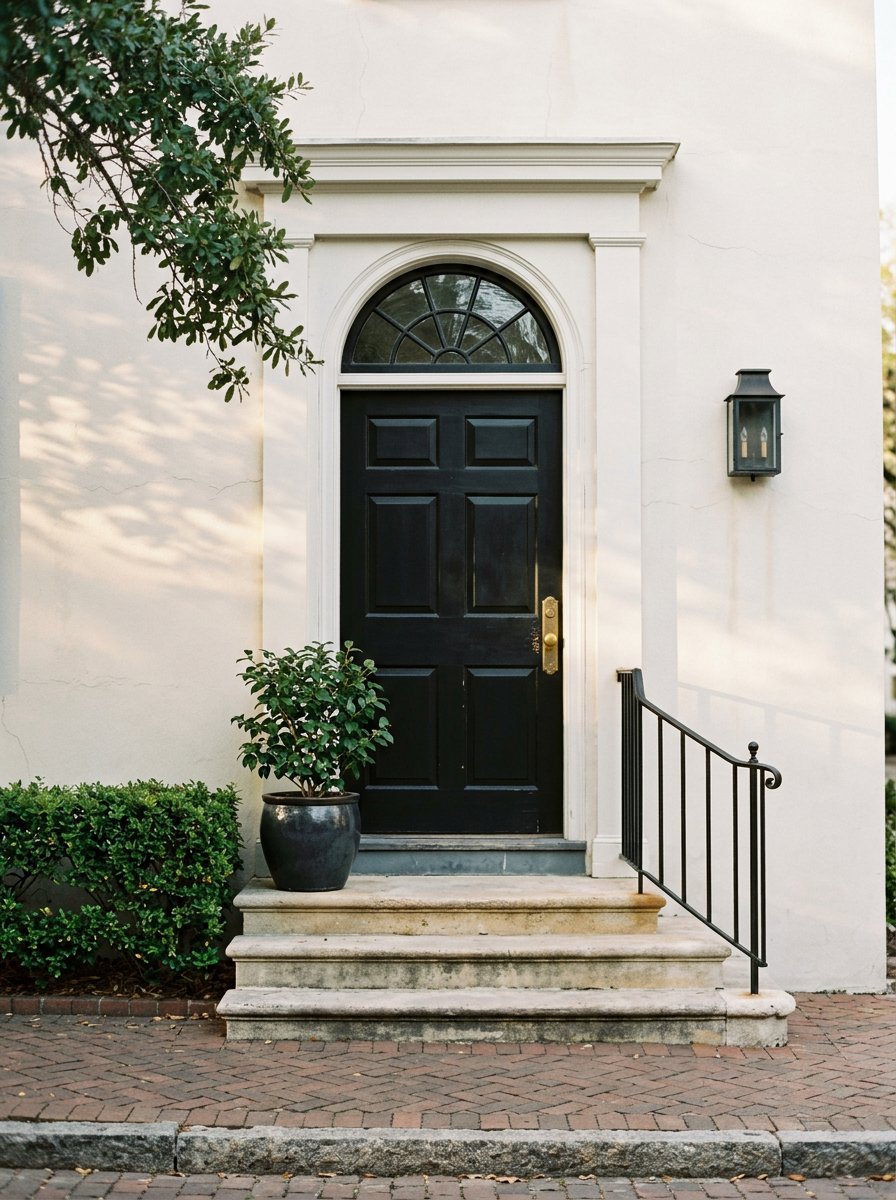
Dreaming of a brick townhouse near Chippewa Square or a porch-lined Victorian around Greene Square? Buying a historic home in 31401 is exciting, but it comes with extra steps you won’t see in newer neighborhoods. With the right plan, you can protect the character you love and avoid costly surprises. In this guide, you’ll learn how approvals work, what to inspect, how flood and insurance affect budgets, and which financing and incentives may help. Let’s dive in.
What “historic” means in 31401
Many properties in Downtown Savannah sit inside a National Historic Landmark District and a local historic overlay. Locally, exterior changes you can see from the street are reviewed through the Savannah Metropolitan Planning Commission’s Historic Preservation office and the Downtown Historic District Board of Review. You will often need a Certificate of Appropriateness, or COA, before a building permit is issued.
When you walk the district, you’ll find Georgian and Federal townhouses, Greek Revival and Italianate details, and ornate Victorian rowhouses. Think of well-known examples like the Isaiah Davenport House, Owens–Thomas House, and Kehoe House. These styles highlight masonry, wood sash windows, porches, ironwork, and distinctive rooflines that local rules aim to preserve.
Approvals: COA vs. permit
A COA reviews how exterior work will look from the public street. It is not a building permit, but you usually need it first. Minor maintenance can be approved by staff. Larger changes, like visible additions or new dormers, go before the Board for a public meeting. You can review the COA process and timelines on the Metropolitan Planning Commission’s application pages at the MPC Historic Preservation and HDBR site.
If a property has a private preservation easement, there may be a second approval step. Historic Savannah Foundation holds hundreds of easements, which are recorded on title and run with the land. Always ask whether an easement exists, and if so, request the document and any past approvals from the Historic Savannah Foundation easements page.
Local decisions and many easements reference the Secretary of the Interior’s Standards and NPS Technical Preservation Services. For practical, material-level guidance, explore the NPS Preservation Briefs to understand repair versus replacement for windows, masonry, porches, and more.
A simple timeline to plan
- Offer and due diligence: confirm COA history, easements, and scope you plan to do.
- COA review: staff approvals can take weeks; Board reviews often take 4 to 12 or more weeks with submittal deadlines and possible revisions.
- Building permit and contractor start: after COA approval is stamped, you can pursue permits and scheduling.
Build these steps into your closing and renovation timeline so your contractor and lender can stay on track.
Inspections and hidden risks
Historic homes can have original floors and plaster, but also older systems and hidden moisture. In Downtown Savannah, salt air, high groundwater, and tidal flooding add extra wear. Plan a focused inspection package to reduce surprises:
- General home inspection for structure, roof, and envelope.
- Wood-destroying organism inspection for termites. Coastal Georgia has active pressure.
- Sewer scope to check older cast iron or clay laterals.
- Chimney and fireplace inspection of masonry and flues.
- Electrical evaluation for knob-and-tube or aluminum wiring and overloaded panels.
- Plumbing review for galvanized supply lines, cast-iron drains, and main sewer materials.
- HVAC assessment for age, capacity, and placement where visible from the street.
- Moisture and mold check in crawlspaces and basements.
- Lead-based paint disclosure and testing for pre-1978 homes. Federal law requires sellers to provide the EPA/HUD lead pamphlet and disclosures; learn more from the EPA lead information pamphlet.
- Asbestos screening where suspected. Test before disturbing older flooring, siding, roofing, or pipe insulation.
Red flags to discuss with your agent and inspector include repeated flood or insurance claims, significant rot or structural settlement, knob-and-tube wiring without updates, unpermitted exterior work, restrictive easements, and properties in Special Flood Hazard Areas without a recent Elevation Certificate.
Flood and insurance basics
Flood risk is a long-term factor for Downtown Savannah due to rising relative sea levels and more frequent high-tide and storm flooding. Flood insurance is separate from your homeowner policy. FEMA’s Risk Rating 2.0 now prices policies using property-specific variables like first-floor height, distance to water, and replacement cost. Review FEMA’s Risk Rating 2.0 guide and get quotes early in due diligence.
Here is a simple example. Two houses a block apart may sit at different elevations and have different floor heights. Under RR2.0, the lower home could see a higher premium, while the higher home may receive a lower premium, even if both are in the same zone. Ask for an NFIP quote and check private flood options before you finalize numbers.
You can also use local resources to understand flood zones and elevation certificates. Start with Chatham County Engineering’s flood zone and NFIP links. For homeowner and hazard insurance, older wiring or heating systems can affect underwriting and cost, so request quotes and carrier requirements early.
What design review controls
Exterior materials and details that define a building’s character receive the closest review. Expect attention on street-facing windows and doors, porches, cornices, masonry, and storefront elements. Modern mechanical equipment, like condensers or solar panels, may need to be located or screened so they are not visible from the street. If there is an easement, plan for annual inspections and an additional approval step.
Renovation planning and budgets
Build your scope around preserving original features where feasible. NPS guidance generally favors repair and targeted upgrades instead of wholesale replacement. The NPS Preservation Briefs are a great starting point for windows, masonry, woodwork, and roofs.
Typical cost drivers in historic homes include foundation and structural repairs, roof and flashing work, and exterior woodwork or window restoration. Upgrading electrical, plumbing, and HVAC to modern standards is often required by lenders and insurers. Many preservation practitioners suggest setting aside 1 to 3 percent of the property value per year for maintenance, plus a reserve for one-time system upgrades.
Financing and incentives
If you plan to buy and renovate, ask lenders about renovation mortgages. The conventional option many buyers use is Fannie Mae’s HomeStyle Renovation, which lets you finance the purchase and improvements in one loan with an as-completed appraisal and construction escrow. FHA 203(k) is another established program for owner-occupants; ask your lender about current rules and limits.
Tax incentives depend on how you will use the property. The 20 percent Federal Historic Rehabilitation Tax Credit applies to certified rehabilitations of income-producing buildings, like rentals or commercial spaces, not owner-occupied primary residences. Georgia also offers a state historic rehabilitation credit for historic homes with specific caps and program-year limits. Review the current details at the Georgia Department of Revenue’s historic home credit page and confirm rules before relying on credits for your budget.
Short-term rentals and use rules
If you are counting on short-term rental income, confirm local rules before you buy. Savannah has an adopted short-term vacation rental ordinance with ward-by-ward caps and limits in the Downtown Historic District. Some buildings and condo declarations have their own restrictions. Review the city’s short-term vacation rental regulations and get written confirmation of allowable use.
Tips for out-of-town buyers
Historic homes in 31401 reward a strong local team. Build relationships with an agent who works the district, a preservation-savvy general contractor, a structural engineer experienced with historic buildings, and local craftsmen for masonry, plaster, and millwork. If you plan to rent or will not occupy full-time, connect with a reputable property manager early.
One-page buyer checklist
- Confirm whether the property lies in the local Downtown Historic District; request prior COA history and ask about any unpermitted work. See the MPC application and HDBR pages.
- Ask the seller for any Historic Savannah Foundation easement documents and past approvals, plus elevation certificates, flood claim history, and records of electrical, plumbing, and HVAC upgrades. Check the HSF easements overview.
- Order a due-diligence package: general inspection, WDO/termite, sewer scope, chimney, electrical and plumbing evaluations, and lead/asbestos tests where appropriate.
- Get flood quotes early. Review FEMA’s Risk Rating 2.0 guide and use Chatham County Engineering’s flood links to understand zones and elevation certificates.
- Confirm the COA path and likely timeline with MPC staff. Factor extra weeks or months into your closing and contractor schedule.
- If you plan any rental use, review the city’s short-term rental rules and any condo or HOA restrictions.
- Talk to lenders about HomeStyle Renovation, FHA 203(k), or other options and whether habitability repairs are required prior to closing.
Final thoughts
Buying a historic home in Downtown Savannah is as much about stewardship as it is about lifestyle. With a clear understanding of approvals, inspections, flood and insurance, and financing, you can close confidently and plan a renovation that respects the home’s character. If you want a step-by-step plan tailored to your address and goals, reach out to Lisa Ortiz, The Rockin' Realtor for local guidance and trusted vendor referrals.
FAQs
What is a Certificate of Appropriateness in Savannah?
- A COA is the local approval for exterior work visible from the street; you usually need it before the building permit. Find process details on the MPC application pages.
How does FEMA’s Risk Rating 2.0 change flood insurance costs?
- RR2.0 prices premiums using property-specific factors like elevation, distance to water, and replacement cost, so two nearby homes can have very different rates. Get an address-specific quote during due diligence.
Which inspections are essential for a historic home in 31401?
- At minimum: general home, WDO/termite, sewer scope, chimney, electrical and plumbing evaluations, moisture checks, and lead/asbestos testing where applicable.
Do owner-occupied historic homes qualify for the federal tax credit?
- No. The 20 percent Federal Historic Rehabilitation Tax Credit applies to certified rehabilitations of income-producing properties, not primary residences.
Can I operate a short-term rental in Downtown Savannah?
- It depends on ward caps, permitting, and building rules. Review the city’s short-term rental ordinance and obtain written confirmation before you buy.
How long do approvals take for exterior changes?
- Staff-level approvals can take weeks. Projects requiring Board review often take 4 to 12 or more weeks, plus time for revisions and permitting afterward.