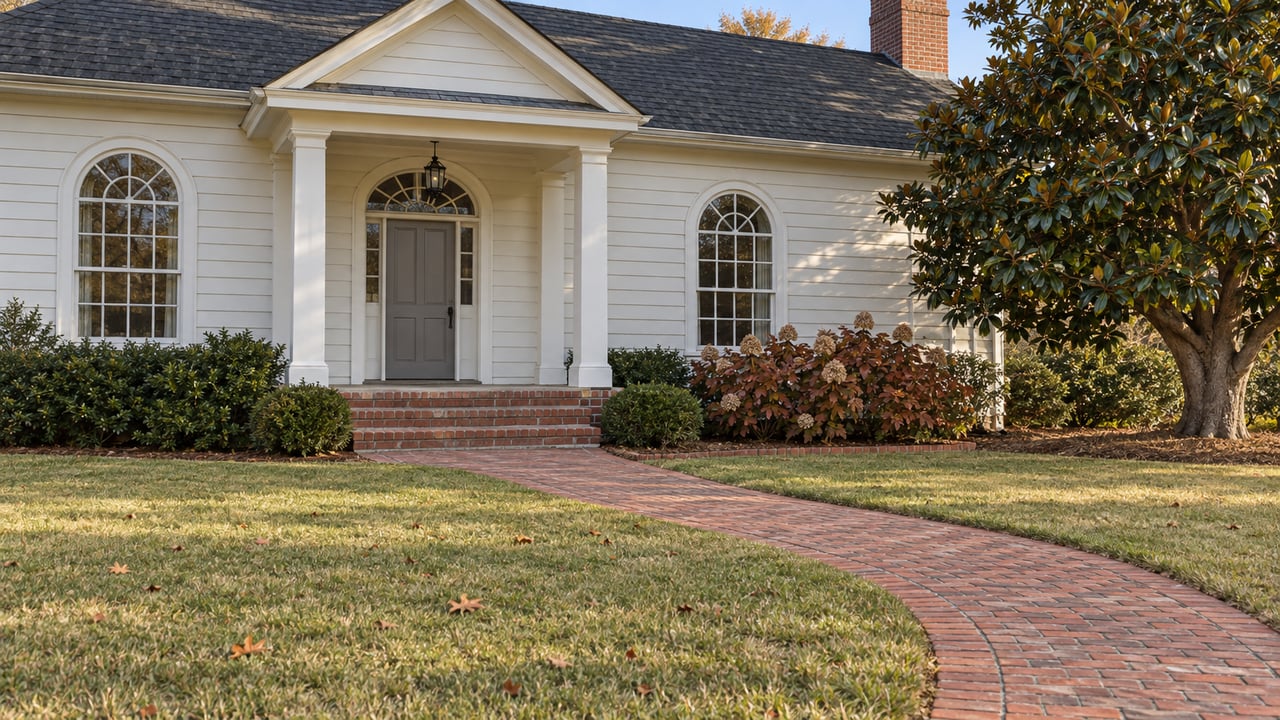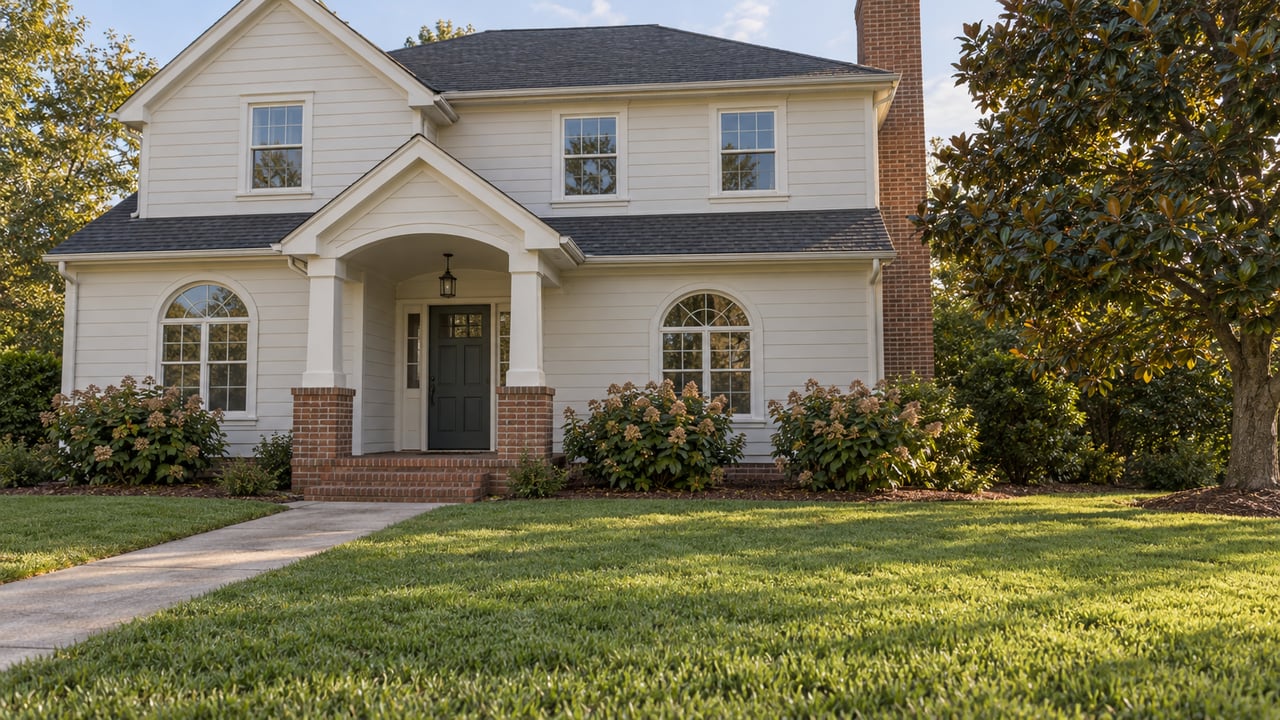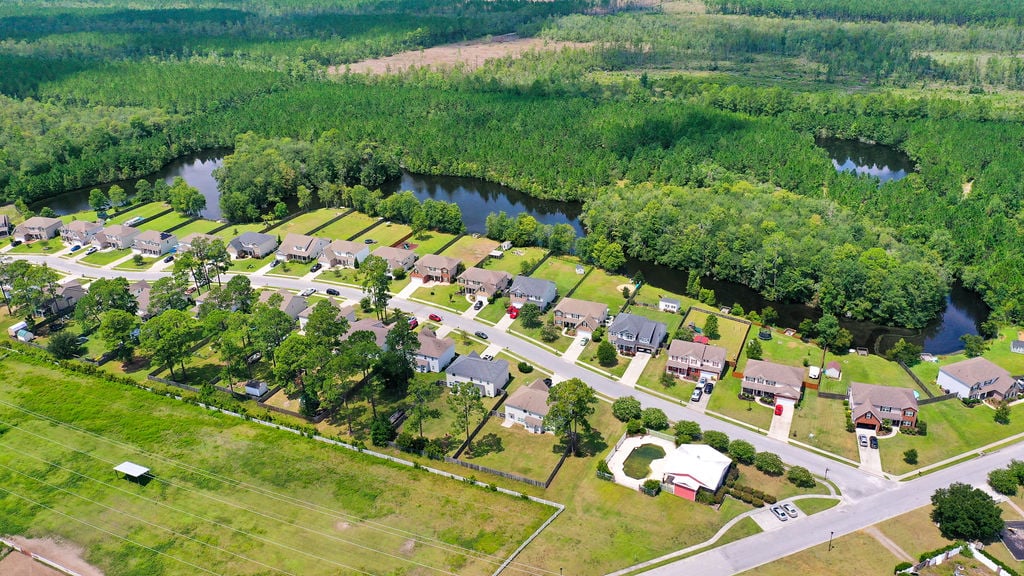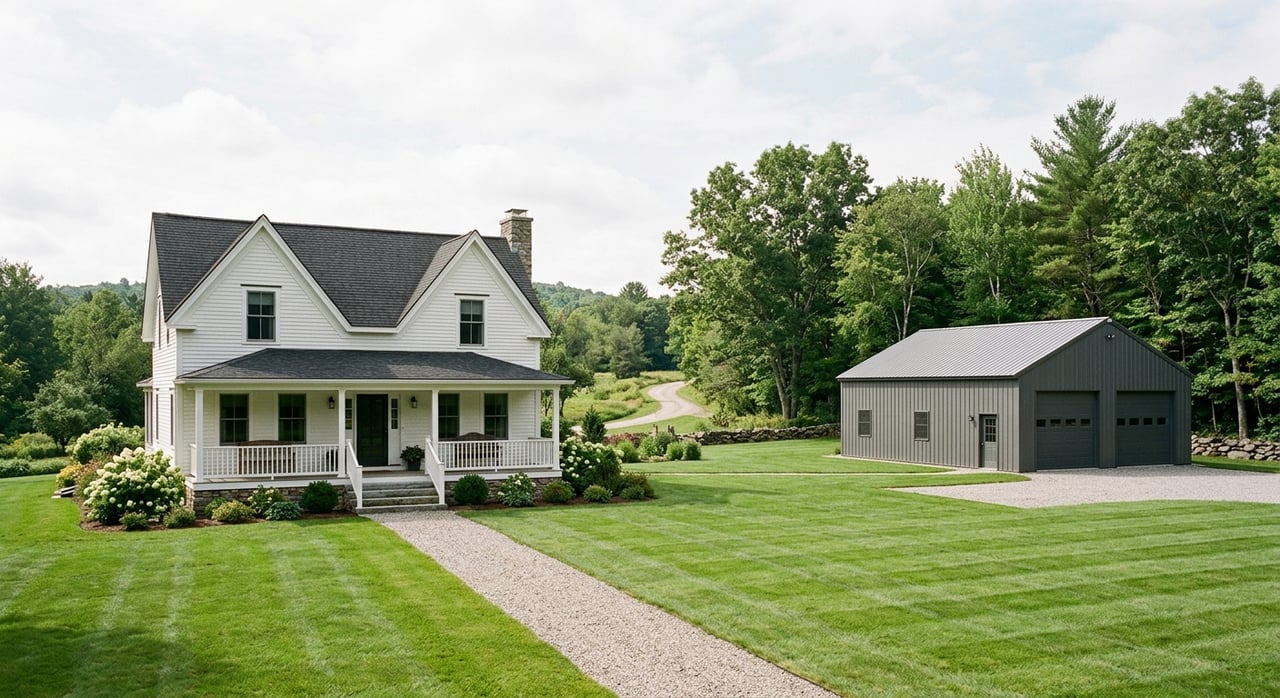
Looking for a home with land in Guyton sounds simple until you realize you may be shopping in two very different markets at once. Some properties function like a typical residential purchase, while others come with acreage questions about zoning, utilities, access, and future use. If you want more room to spread out, this guide will help you sort through the practical details that matter most before you make an offer. Let’s dive in.
Guyton Land Buying Starts With One Key Fact
In Guyton, not every larger lot should be treated the same way. Current inventory includes homes on lots around 0.23, 0.25, 0.27, 0.5, and 0.78 acres, along with homes on 1, 3.01, and 5 acres. Separate land listings run from 1 acre up to 90.46 acres.
That range matters because a house on a half-acre lot may behave more like a standard residential purchase, while a home on several acres can raise very different questions. Redfin’s median sale price in Guyton was $344,950 in March 2026, which gives you a useful starting point as you compare a typical home search to an acreage search.
Know Whether the Property Is City or County
One of the first things to verify is whether the parcel sits inside the City of Guyton or in unincorporated Effingham County. That single detail affects which rules, offices, and review processes may apply to the property.
The City of Guyton Planning & Zoning Commission reviews zoning changes, site plans, and plats for city property. Effingham County Planning & Zoning handles zoning matters in unincorporated areas, including home occupations, rural business questions, and zoning amendments. For flood questions, the county also directs city-property owners to contact their city hall.
If you are buying a home with land, this is not a small technical detail. It is the starting point for almost every other question you will ask.
Zoning Can Shape What You Can Actually Do
Acreage often gives buyers a sense of freedom, but the practical use of that land depends on zoning. Before you assume you can add a shop, keep certain animals, split the property later, or run a home-based activity, confirm the exact zoning district and what is permitted.
In Effingham County, the zoning map identifies AR-1 as agricultural residential districts of five acres or more. AR-2 applies to agricultural residential districts of less than five acres. That means parcel size and zoning label work together, especially if you want flexibility for how the land is used.
Inside the City of Guyton, the pattern can be different. City ordinance materials show that in the R-4 district, single-family homes, accessory uses and structures, and general-purpose farm or garden are permitted. The same materials also state that poultry or non-domestic animals are not allowed by right and may require a special permit.
The best approach is to treat each property as its own case. A listing may say “room for more,” but the real answer comes from the parcel’s zoning and whether your intended use is allowed by right, conditionally allowed, or prohibited.
Lot Size Rules Matter More Than Buyers Expect
When you are buying land with a home, lot size is not just about how much elbow room you get. In Effingham County, lot minimums can be tied to utility access.
The county’s current R-1 and R-1-A rules state these minimum lot sizes:
- 12,000 square feet where public or community water and sewer are available
- 21,780 square feet if sewer is not available
- 43,560 square feet if neither water nor sewer is available
The same ordinance section also requires 100 feet of road frontage and 100 feet of lot width at the building line. It also says health department approval must be obtained before a building permit is issued.
These details become especially important if you are thinking ahead about adding improvements, building in the future, or evaluating resale potential. Bigger is not always simpler if the lot has limited frontage, limited utility service, or site constraints.
Utilities in Guyton Are Not One-Size-Fits-All
Many buyers assume a property either has utilities or it does not. In Guyton, the picture is more mixed than that, especially once you move beyond smaller in-town lots.
Effingham County says it supplies drinking water from groundwater wells and treated surface water purchased from the City of Savannah, and that several small outlying developments are supplied by groundwater well systems. The county’s water and sewer operations are based in Guyton, while the City of Guyton also maintains its own water utilities for city properties.
That means you should ask direct questions about the property’s setup, including:
- Is the home on city water, county water, a private well, or a shared system?
- Is it connected to sewer, or does it rely on septic?
- Are there existing records for the septic system and drain field?
- Will future additions or structures affect the current setup?
These are practical questions that can affect both your day-to-day use and your long-term plans for the land.
Septic, Site Plans, and Permits Need Attention
If you are planning to build, expand, or make major changes, permit rules matter. Effingham County requires permits for work that constructs, enlarges, alters, repairs, moves, demolishes, or changes the occupancy of a structure, along with most electrical, gas, mechanical, and plumbing work.
The permit application must include a site plan. That plan needs to show other structures, septic tank and drain-field areas, wells, and distances from property lines. Septic systems require Health Department approval, and the county states that no one may occupy a dwelling before a certificate of occupancy is issued.
The county also requires submitted residential plans to be stamped by a Georgia design professional. For buyers considering new construction or major additions on acreage, that is a good reminder that land use is tied to a formal review process, not just the physical size of the parcel.
Access and Frontage Can Affect Future Value
A beautiful piece of land can still come with hidden limits if access is not straightforward. This is one of the most important resale issues acreage buyers should check early.
Effingham County subdivision rules state that a private unpaved road with a minimum 60-foot easement may serve no more than three lots, including the remaining tract, in a single-family residential zoning district. If you are considering a parcel because you may want to divide it later, or you simply want strong resale flexibility, that rule deserves close attention.
Road frontage also matters. A property that looks large on paper may still be harder to use or market later if access is awkward, easements are restrictive, or frontage is limited.
Floodplain and Drainage Checks Are Essential
Acreage can offer privacy and space, but it can also bring more site-condition questions than a typical neighborhood lot. Floodplain, wetlands, drainage, and historical flooding should be reviewed before you make assumptions about where you can place a house, workshop, barn, or other improvements.
Effingham County provides flood-zone, flood-depth, historical flooding, wetlands, and flood insurance information at no cost for unincorporated areas. The county also notes that preliminary DFIRMs have been developed to reflect updated flood risk information. For city properties, buyers should work through the relevant city hall.
This step is worth taking seriously even if a property looks dry during a showing. A site can appear usable at first glance while still having building or placement limits that affect your plans.
A Practical Checklist for Guyton Acreage Buyers
If you want to stay focused during your search, use this checklist before you get too attached to a property:
- Confirm whether the parcel is in the City of Guyton or unincorporated Effingham County
- Verify the exact zoning district
- Ask whether your intended use is permitted by right, conditional, or prohibited
- Check whether the property has city water, county water, a private well, sewer, septic, or a combination
- Review floodplain, wetlands, drainage, and historical flooding information
- Confirm road frontage, easements, and access details
- Ask whether a private road could limit future subdivision or resale
- Verify whether sheds, barns, coops, fences, or other accessory structures need permits or setback review
This kind of due diligence helps you compare properties based on more than just price and acreage. It helps you match the land to your real goals.
Why Local Guidance Matters With Land
Buying a home with land in Guyton is not only about finding more square footage outside. It is about understanding how the parcel works in real life. The right property should support your plans today and still make sense when you think about resale later.
That is where local guidance can make a real difference. With acreage, small details like jurisdiction, frontage, utility setup, zoning, or floodplain status can become expensive if they are discovered too late. A careful, lot-by-lot review can help you move forward with more confidence and fewer surprises.
If you are thinking about buying a home with land in Guyton or anywhere in Effingham County, Lisa Ortiz, The Rockin’ Realtor can help you look beyond the listing photos and focus on the details that matter.
FAQs
What counts as a home with land in Guyton, GA?
- In Guyton, listings range from standard residential lots under an acre to homes on 1, 3.01, or 5 acres, with vacant land offerings reaching much larger parcel sizes.
Why does city versus county location matter for Guyton property?
- It matters because the City of Guyton and unincorporated Effingham County may have different zoning review processes, utility oversight, and flood-information contacts.
What zoning should buyers check for acreage in Effingham County?
- Buyers should verify the exact zoning district, including whether the property is classified in districts such as AR-1 or AR-2, and confirm whether the intended use is allowed.
What utility questions should buyers ask about land in Guyton?
- Buyers should ask whether the property uses city water, county water, a private well, sewer, septic, or some combination, because utility setup can affect use and future improvements.
Do septic and permits matter when buying acreage in Guyton?
- Yes. Effingham County requires permits for many types of work, site plans showing septic and well locations, and Health Department approval for septic systems before certain building steps can move forward.
Why should buyers check floodplain and access before buying land in Guyton?
- Floodplain, wetlands, drainage, frontage, and easement issues can affect where you can build, how you use the property, and how easily the property may resell in the future.