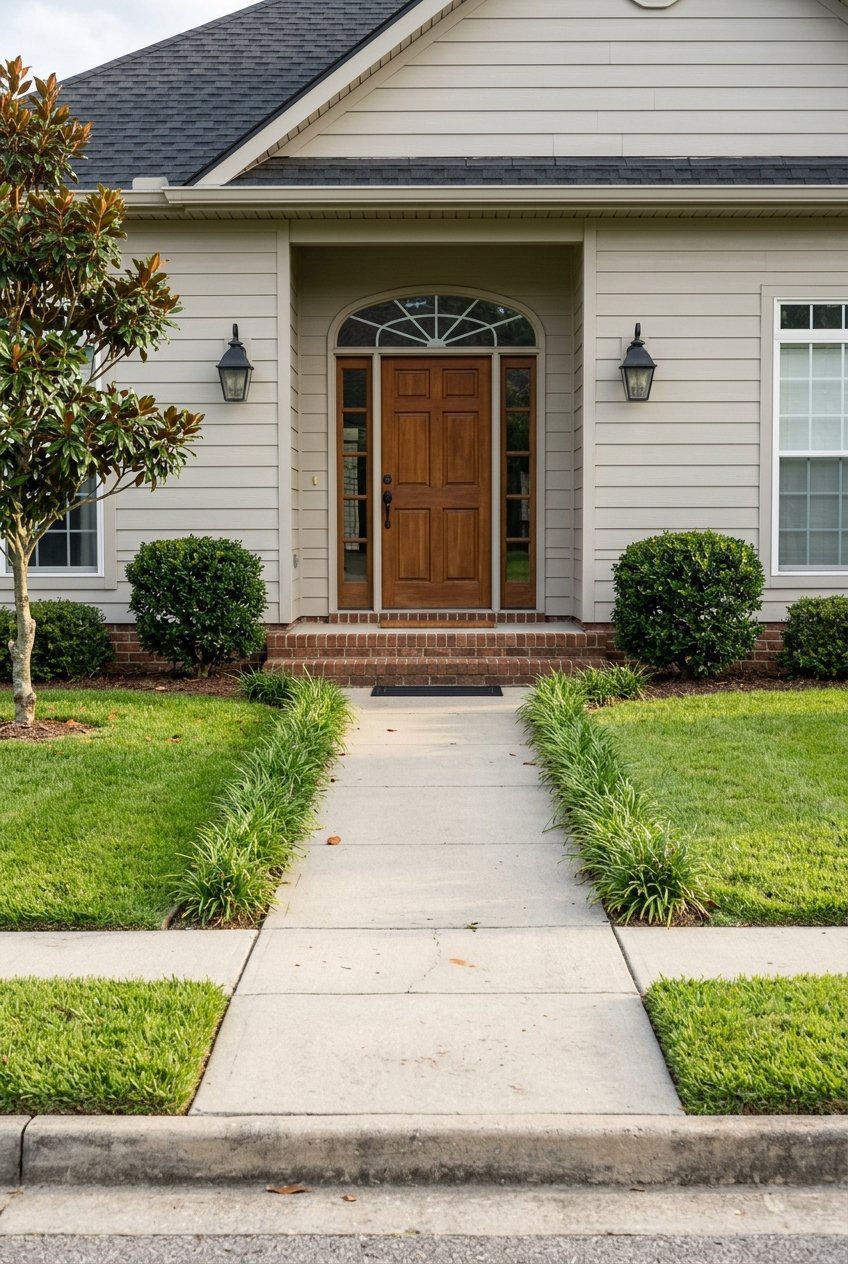
Wondering why some Southside Savannah homes sit while others get solid offers? In a market where buyers have more room to compare, your price and your prep need to work together. If you want to sell with fewer surprises, stronger interest, and a smoother path to closing, it helps to start with the right strategy from day one. Let’s dive in.
Why pricing matters in Southside
Southside Savannah is not one single market. It includes a wide range of homes, from midcentury ranches and post-war subdivisions to higher-end areas like Habersham Woods, Groveland/Kensington Park, Coffee Bluff, Georgetown, and Southbridge, according to the Savannah Area Chamber neighborhood overview.
That variety matters when you price your home. A house in one pocket of Southside may not compete with a home just a few miles away if the age, condition, lot, or style is different. That is why a broad neighborhood average can be helpful for context, but it should not be the only tool used to set your list price.
Recent data also points to a market where pricing discipline matters. Realtor.com’s Southside market snapshot shows a median listing price of $399,500, 331 homes for sale, and homes selling for 3.26% below asking on average. The same report describes Southside as a buyer’s market in February 2026, with more inventory and longer days on market than the year before.
Redfin’s Southside housing market page tells a similar story, with a median sale price of $367,950, average days on market of 83, and homes selling about 4% below list price. For you as a seller, that means overpricing can cost you valuable time and reduce your leverage later.
Start with a tight CMA
The best place to begin is with a comparative market analysis, or CMA. The National Association of Realtors consumer guide on pricing your home explains that agents use factors like size, location, amenities, condition, and current market conditions when recommending a list price.
A good CMA does more than pull a few recent sales. It looks at similar homes that recently sold, homes that are currently under contract, and active listings that buyers are comparing right now. In Southside, where housing stock can vary so much, this step is especially important.
The NAR Pricing Strategy Advisor resource also highlights the need to identify strong comparables and make adjustments for differences. That means your price may need to reflect updates, deferred maintenance, lot features, or your home’s exact location within Southside.
How to price for today’s market
If your goal is to sell in a reasonable time, pricing close to the most relevant comps is usually smarter than testing the top of the market. NAR notes that sellers who want to move quickly may need a more competitive price, especially when buyers have options.
In a slower, more negotiable market, buyers tend to notice overpricing fast. They compare your home online, tour competing listings, and often wait to see whether a seller will reduce the price. When that happens, even a well-kept home can lose momentum.
A practical pricing strategy often looks like this:
- Compare your home to the most similar nearby sales
- Adjust for condition, updates, lot, and location
- Review active competition in your price range
- Decide whether speed or testing a higher price matters more to you
- Reassess quickly if showings are slow or feedback repeats the same concerns
Price and prep should work together
One of the biggest mistakes sellers make is treating preparation and pricing as separate decisions. In reality, they support each other.
If your home is clean, bright, and well-maintained, buyers may see more value right away. If it needs cosmetic work or has visible issues, buyers may expect a lower price or ask for concessions later.
NAR’s pricing guidance notes that sellers can also use concessions, such as covering repair costs, when needed. In other words, your strategy is not only about choosing a number. It is also about deciding whether a repair, a credit, or a price adjustment will better attract buyers.
Focus prep on what buyers notice first
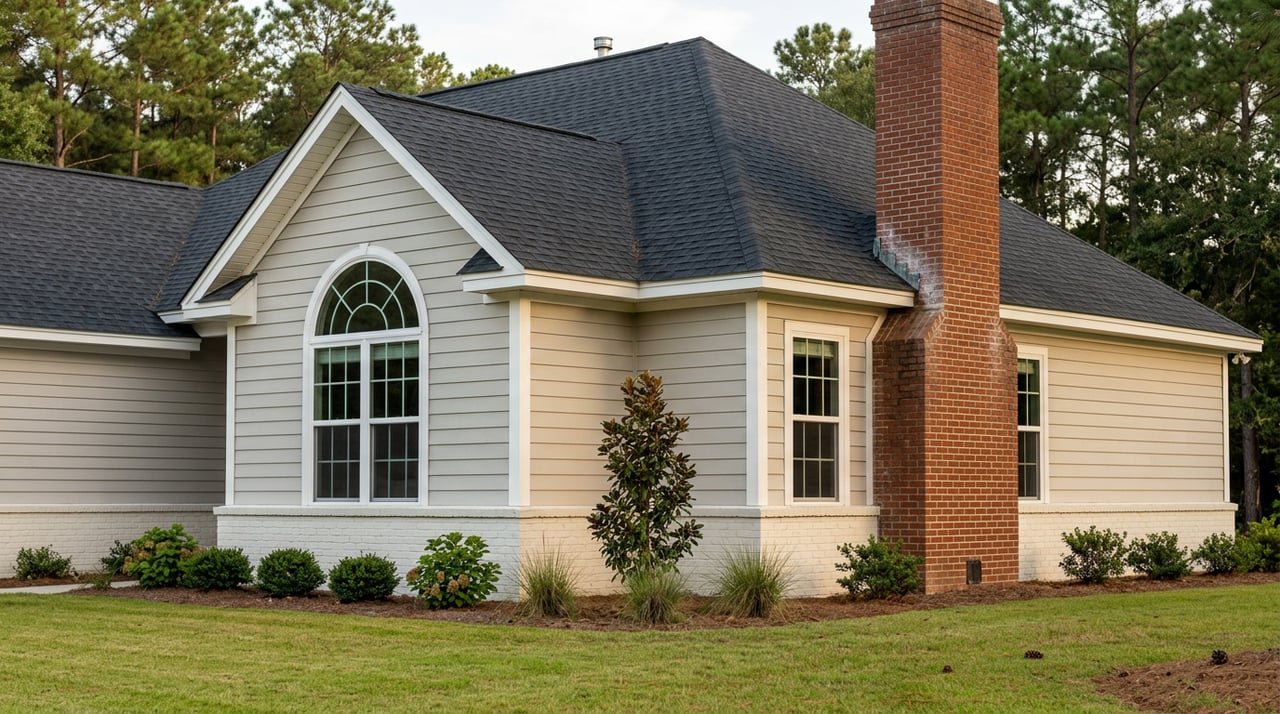
You do not always need a full remodel to make a strong impression. According to the 2025 NAR staging report, the most common recommendations are decluttering, cleaning the entire home, and improving curb appeal.
That same report found that 29% of agents said staging increased the dollar value offered by 1% to 10%, and 49% said staging reduced time on market. It also found that 83% of buyers’ agents said staging made it easier for buyers to picture the home as their future home.
For many Southside sellers, that means your prep budget is often best spent on visible, low-friction improvements instead of expensive custom upgrades. Buyers respond to homes that feel cared for, easy to understand, and move-in ready.
The rooms that deserve the most attention
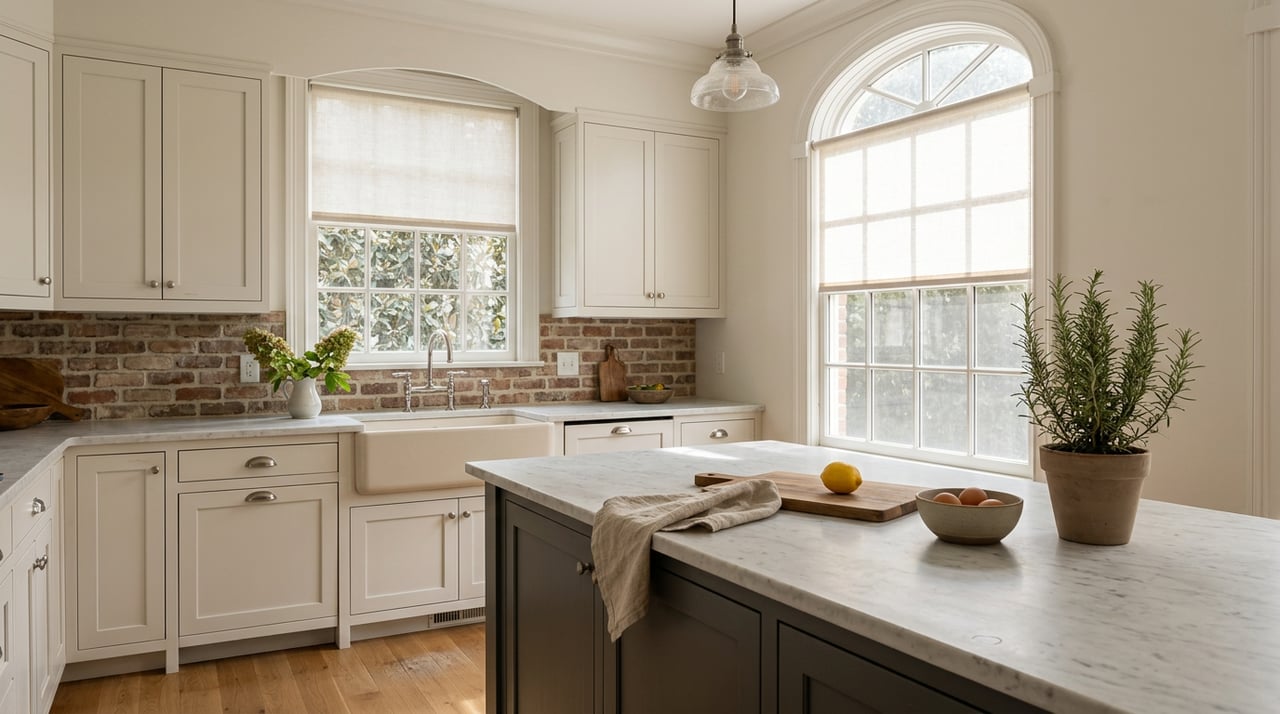
If you are choosing where to focus first, NAR reports that the most important rooms to stage are the living room, primary bedroom, and kitchen. These spaces do a lot of heavy lifting during showings and listing photos.
That does not mean you need to buy all new furniture or fully stage every room. In many cases, simple edits make the biggest difference. Clear surfaces, balanced lighting, neutral decor, and a more open furniture layout can help buyers see the space more clearly.
Here are a few high-impact updates to prioritize:
- Declutter countertops, shelves, and large furniture groupings
- Deep clean floors, kitchens, baths, and windows
- Touch up paint where walls look worn or scuffed
- Replace burned-out bulbs and brighten darker rooms
- Freshen the entry so the first impression feels inviting
- Handle small repairs before buyers notice them
Which updates may offer better payoff
When sellers ask whether they should renovate before listing, the answer depends on the home, the comps, and your budget. The 2025 Remodeling Impact Report summary from NAR suggests that some smaller projects can offer strong resale recovery.
Examples include a new steel front door at 100% cost recovery, a closet renovation at 83%, and a new fiberglass front door at 80%. REALTORS® also commonly recommended painting the entire home, painting one room, or replacing the roof.
For most Southside homes, this points to a simple takeaway: start with visible updates that reduce buyer objections. Fresh paint, a clean entry, minor repairs, and a well-presented interior often make more sense than a major remodel that may not be fully reflected in nearby comps.
Watch for local diligence issues
In Southside, pricing and preparation also include the paperwork side of selling. Buyers may ask questions about flood zones, drainage history, repairs, and permits during due diligence, so it helps to gather that information early.
The City of Savannah’s flood protection information page notes that a 2-foot freeboard requirement applies to new or substantially improved structures in the Special Flood Hazard Area for permits submitted on or after January 1, 2025. The city also states that it has approved a Stormwater Utility to support drainage-system maintenance and improvements.
If your property has had drainage work, flooding, or substantial improvements, it is wise to organize permits, receipts, and related records before listing. You can also verify flood hazard information through FEMA’s Flood Map Service Center.
Having those details ready can help answer buyer concerns faster and keep your transaction moving. It can also help your agent present the home more clearly from the start.
A simple Southside seller game plan
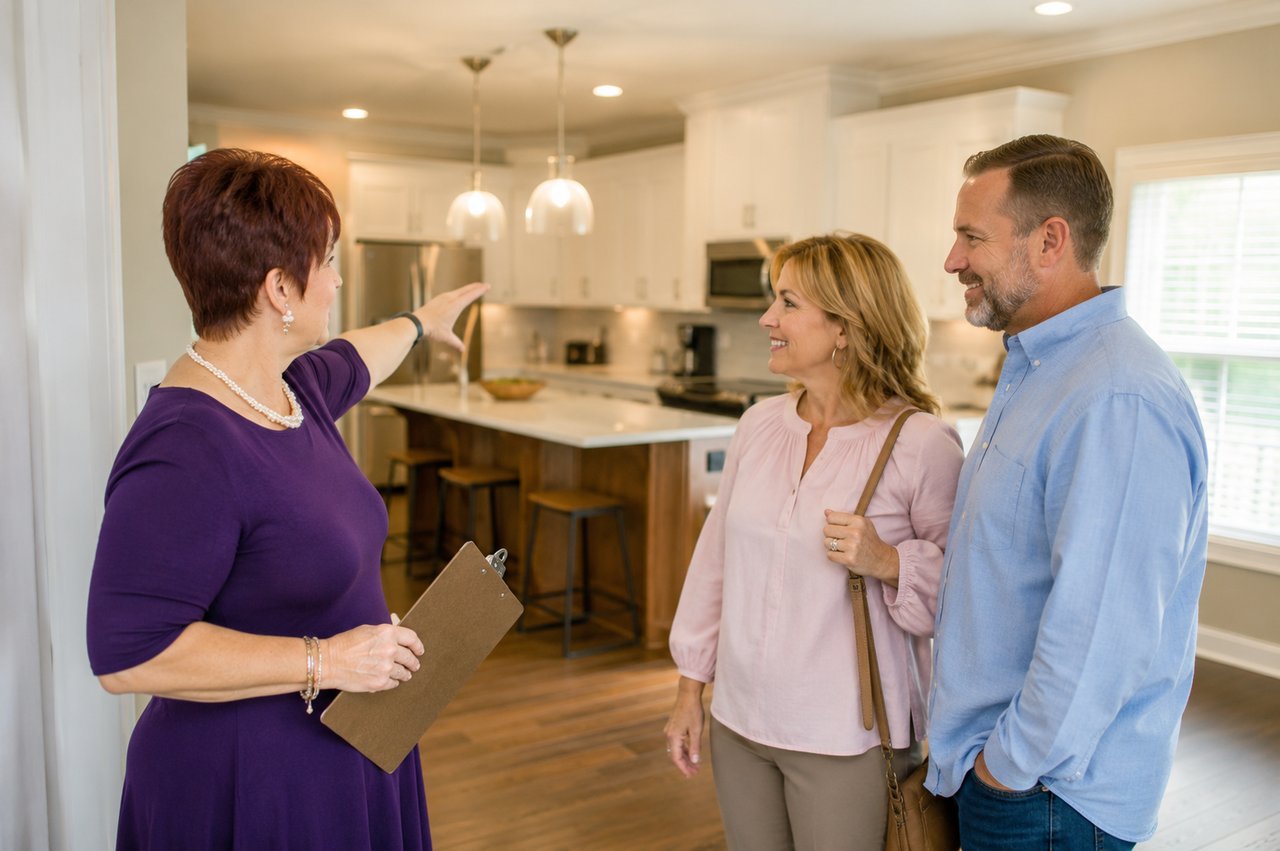
If you want to keep your sale focused and realistic, use this approach:
Get a CMA built around your closest comps
Your home should be compared to similar nearby properties, not just Southside as a whole.Walk the home like a buyer would
Look for clutter, dated finishes, deferred maintenance, and anything that may raise questions.Choose prep items with clear impact
Focus on cleaning, decluttering, paint, lighting, curb appeal, and small repairs first.Decide on your pricing goal
If speed matters, a competitive price may serve you better than aiming high and chasing the market later.Prepare supporting documents early
Gather permit records, repair receipts, and any flood or drainage information that may come up.
The bottom line for Southside sellers
In today’s Southside Savannah market, the best results usually come from matching the right price with the right level of preparation. A careful CMA helps you avoid overpricing, and thoughtful prep helps buyers feel more confident when they walk through the door.
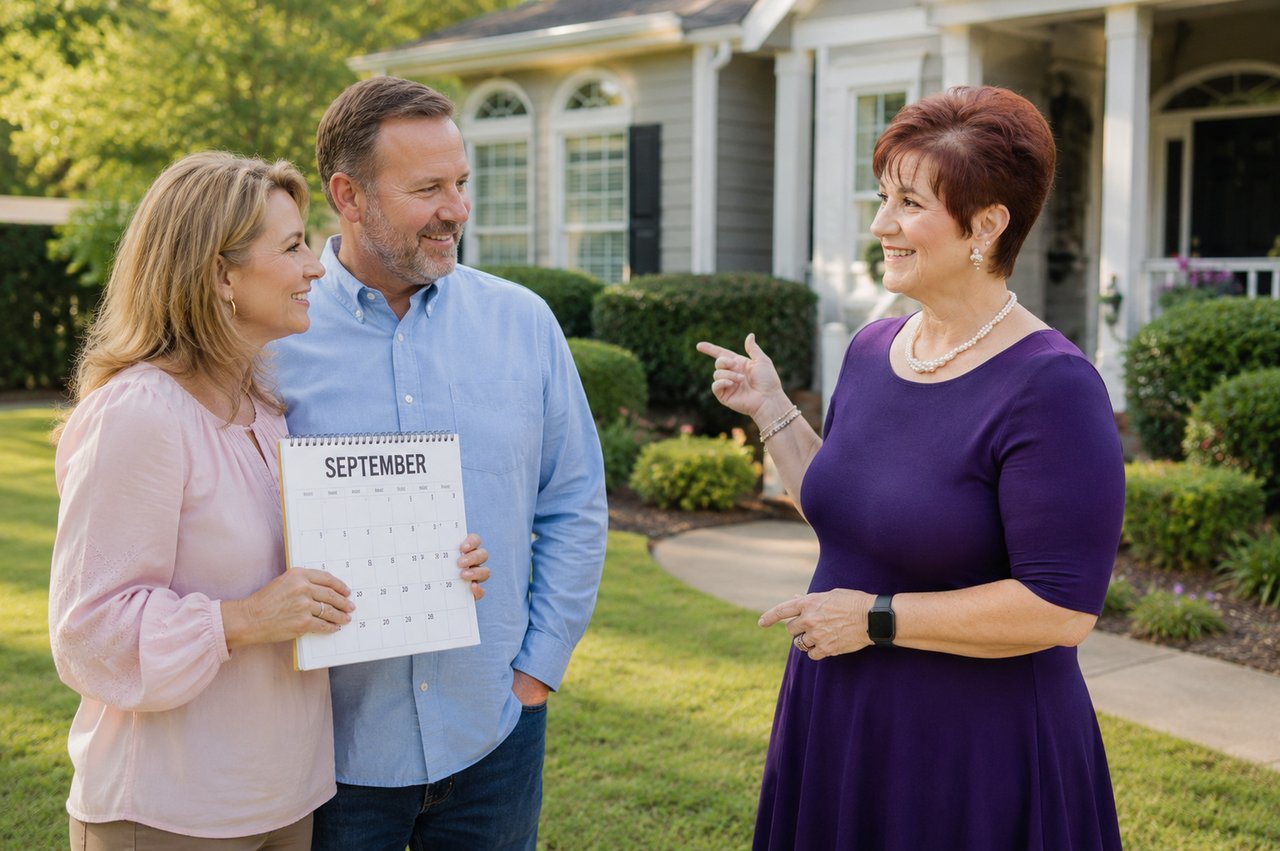
That combination can reduce objections, support stronger offers, and help your home stand out in a market where buyers have options. If you want a practical plan tailored to your home, neighborhood pocket, and timing, Lisa Ortiz, The Rockin' Realtor can help you make smart decisions before your home hits the market.
FAQs
How should I price my Southside Savannah home to sell?
- Start with a CMA based on the most similar nearby sold homes, current competition, and your home’s condition, updates, and location within Southside.
What home improvements matter most before selling in Southside Savannah?
- Decluttering, deep cleaning, curb appeal, touch-up paint, lighting improvements, and minor repairs are often the most practical places to start.
Is Southside Savannah a buyer’s or seller’s market right now?
- Recent market snapshots describe Southside as a buyer’s market, with more inventory, longer days on market, and homes often selling below asking price.
Should I stage my Southside Savannah home before listing?
- Staging can help buyers picture the home more easily, and NAR reports it can reduce time on market, especially when you focus on the living room, primary bedroom, and kitchen.
What flood information should Southside Savannah sellers gather before listing?
- If your property has flood-zone concerns, drainage history, or past improvements, gather permits, repair receipts, and mitigation records, and review flood maps through FEMA before listing.