Wondering whether downtown Savannah feels like a dream address or a place best saved for day trips? If you are thinking about moving to 31401, it helps to look past the postcard view and understand how daily life actually works. From walkable squares and waterfront views to parking rules, transit options, and a steady flow of events, here’s what you can expect when you live in the heart of Savannah. Let’s dive in.
Downtown Savannah's historic setting
Living downtown means being surrounded by one of the most recognizable city layouts in the country. According to the National Park Service, Savannah’s original plan has shaped the city since 1733, and 23 of the original 24 squares remain part of daily life today.
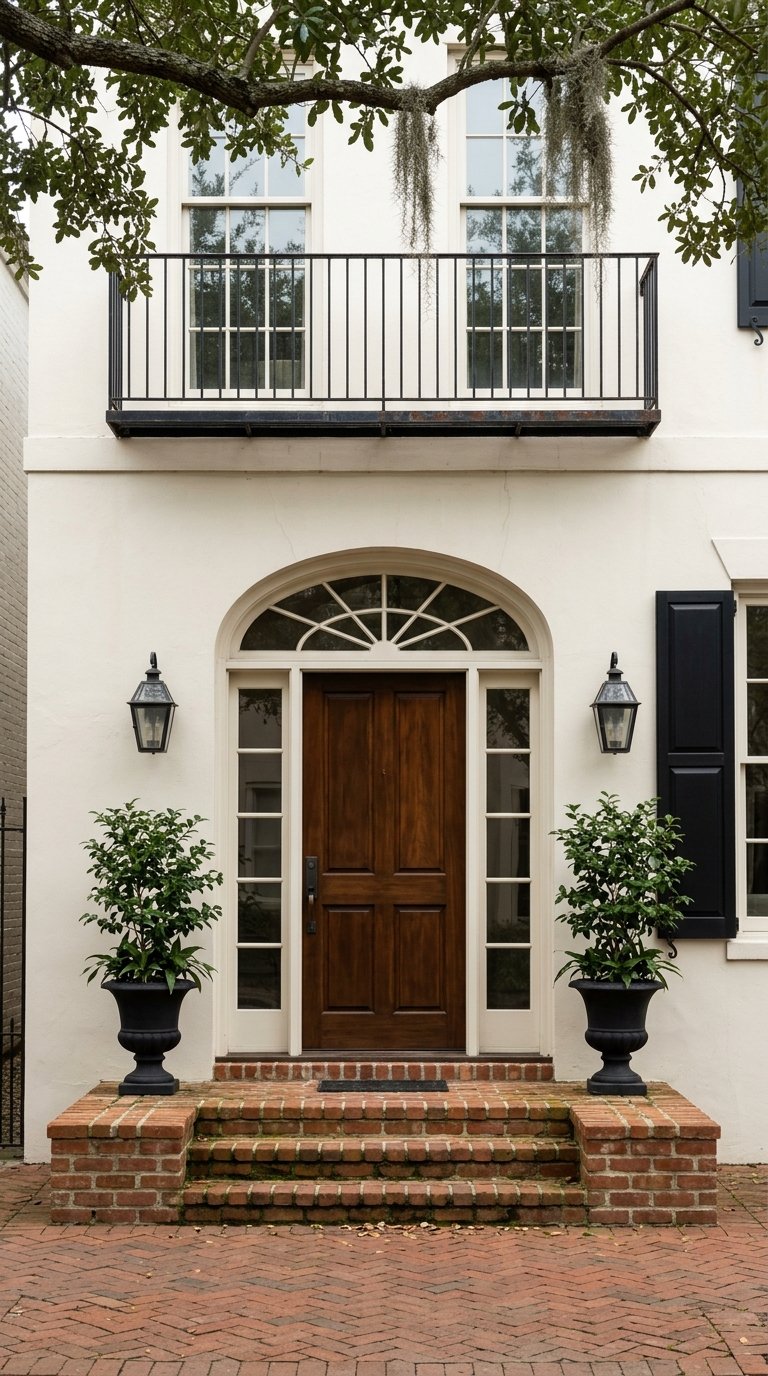
That historic character is more than visual charm. The Savannah National Historic Landmark District was designated in 1966, and the district includes more than 1,100 residential and public buildings. If you live here, you are part of a neighborhood where the historic street pattern still guides how people move, gather, and experience the area.
What the neighborhood feels like
Downtown Savannah feels older, closer-knit, and more urban than many suburban parts of the region. The city’s historic-district guidance notes that new construction and most renovations go through preservation review, which helps protect the look and feel of the area.
The city’s development standards also note that downtown properties may have no setback requirement. In everyday terms, that helps create the close-to-the-street building pattern that gives downtown its distinct sense of place.
You see that character along the waterfront too. River Street sits on a bluff above the Savannah River and is reached by elevators, cobblestone ramps, and historic stone stairs from the mid-1800s, which adds to the area’s layered, lived-in feel.
Getting around downtown Savannah
One of the biggest lifestyle differences downtown is how many short trips can be handled without a long drive. CAT’s free DOT shuttle runs seven days a week and uses two loops to connect downtown destinations every ten minutes.
The city’s downtown accessibility guide also says the fare-free system includes the River Street Streetcar and the Savannah Belles Ferry. CAT also operates a fare-free wheelchair-accessible shuttle, which adds another option for getting around the district.
That does not mean you will never use a car. It does mean daily routines can feel more flexible when your errands, dining plans, or museum visits are clustered in a compact area.
Parking for downtown residents
Parking is still part of the conversation when you live in 31401. The city says most downtown spaces are metered, but the residential parking decal program allows free on-street parking in metered spaces for eligible residents.
The program allows up to three decals per residence, as long as you physically live at the address. Because the permit is tied to the address, moving can change your eligibility.
For many buyers, this is one of the biggest practical details to understand before making a move downtown. A home can be a great fit on paper, but your day-to-day experience may also depend on how parking works for that specific address.
Dining, arts, and daily conveniences
Downtown Savannah offers a strong mix of places to eat, explore, and spend time close to home. City Market, which dates back to 1755, originally served as a place for groceries and services and now includes restaurants, art spaces, live performances, shopping, and museums.
That matters because downtown living is not just about special occasions. Many of the places that attract visitors are also part of the everyday backdrop for people who live nearby.
River Street adds another layer of activity. Visit Savannah notes that River Street has more than 75 boutiques, galleries, artists’ studios, restaurants, and pubs, making the waterfront one of downtown’s most active stretches.
Plant Riverside District expands those options even more. It functions as an entertainment hub with restaurants, rooftop bars, boutique shopping, live music, and more than a dozen eateries.
Arts and culture are part of daily life
If you enjoy museums, performances, and creative spaces, downtown Savannah gives you a lot within a compact footprint. The city describes the Otis S. Johnson Cultural Arts Center as a premier visual and performing arts facility and creative meeting space.
Telfair Museums connects art, history, and architecture through its downtown institutions. SCAD also has a major presence in Savannah, with nearly 70 buildings in the city’s historic district.
You also have established live-performance venues downtown, including Savannah Theatre and Lucas Theatre. For residents, that means arts and culture are not tucked away in a separate district. They are part of normal neighborhood life.
Living with tourism and events
One of the most important things to understand about downtown Savannah is that it is highly shared space. Residents and visitors use many of the same streets, squares, waterfront areas, and public gathering spots.
On River Street, that can mean seeing street performers, cargo ships, and crowds in the same afternoon. In the squares and parks, it can also mean weddings, special events, and public celebrations happening close to home.
The city notes that its parks and historic squares can be rented for weddings and other events. It also uses the squares for large public activities, including St. Patrick’s Day Parade land-rush setup.
For some people, that energy is a major draw. For others, it is a reminder that downtown living comes with a rhythm shaped by both neighborhood life and citywide activity.
How the city manages that balance
Savannah’s zoning and development framework reflects the need to balance residential life with visitor activity. The city’s development standards identify a hotel development overlay, an alcohol density overlay, and a short-term vacation rental overlay in the downtown historic area and other tourist-impacted historic districts.
The alcohol overlay is specifically intended to limit negative impacts on nearby residents and property owners. That does not remove the activity, but it does show that the city has formal tools in place to manage how different uses affect downtown living.
Who tends to enjoy downtown living
Downtown Savannah can appeal to several kinds of buyers. If you want a home where historic surroundings, restaurants, museums, and public spaces are part of your everyday environment, the area can offer a very different experience from more spread-out neighborhoods.
It can also be a strong fit if you value short trips, walkable surroundings, and easy access to arts and entertainment. On the other hand, if you prefer quieter routines, easier parking, and more separation from events and tourism, you may want to weigh those tradeoffs carefully.
This is where local guidance matters. Two homes may both have a downtown address, but the block, parking setup, building type, and proximity to public activity can shape your experience in very different ways.
What to keep in mind before you move
If you are considering downtown Savannah, focus on the details that affect your day-to-day life most. A few of the biggest ones include:
- How close the property is to squares, River Street, City Market, or event spaces
- Whether the home has private parking or depends on street parking
- How the residential parking decal rules apply to that address
- How comfortable you are with regular visitor activity nearby
- Whether you want quick access to dining, arts, and waterfront destinations
Downtown Savannah is beautiful, active, and deeply rooted in history. It offers a lifestyle that feels connected to the city’s public spaces, architecture, and culture in a way that is hard to replicate elsewhere.
If you want help comparing downtown Savannah with other Savannah-area neighborhoods, or you are ready to explore homes that fit your lifestyle, connect with Lisa Ortiz, The Rockin' Realtor for local guidance you can count on.
FAQs
What is daily life like in downtown Savannah?
- Daily life in downtown Savannah is shaped by historic squares, short trips, waterfront activity, restaurants, museums, and frequent public events in shared spaces.
How do residents get around downtown Savannah?
- Residents can use CAT’s free DOT shuttle, the fare-free River Street Streetcar, the Savannah Belles Ferry, wheelchair-accessible shuttle service, and personal vehicles depending on their routine.
Is parking hard in downtown Savannah?
- Parking requires planning because most downtown spaces are metered, but eligible residents may use the city’s residential parking decal program for free on-street parking in metered spaces.
Does downtown Savannah feel touristy to live in?
- Downtown Savannah is an active, shared area where residents live alongside visitors, street activity, weddings, performances, and seasonal events.
What makes downtown Savannah different from other Savannah neighborhoods?
- Downtown Savannah stands out for its 18th-century city plan, preserved historic district, compact layout, waterfront access, fare-free transit options, and close mix of dining, arts, and public spaces.