Congratulations!
Your offer has been accepted.
Take a deep breath...
...and celebrate for a minute.
Buying a home is one of life's biggest milestones.
But many buyers are surprised to learn that having an accepted offer isn't the finish line—it's the beginning of the final stretch.
Over the next several weeks, a lot happens behind the scenes to make sure your purchase reaches the closing table smoothly.
After helping buyers across Springfield, Guyton, Rincon, Pooler, Savannah, Richmond Hill, Statesboro, Sylvania, and throughout Southeast Georgia for more than 25 years, I've walked clients through this process hundreds of times.
Let's look at what happens next.
Step 1: Earnest Money
One of the first things you'll do is submit your earnest money.
This shows the seller you're serious about completing the purchase.
The earnest money is typically held in accordance with the terms of your contract and is generally applied toward your purchase at closing.
🎸 Rockin' Realtor Tip
Don't panic if everyone suddenly starts asking for paperwork.
The contract kicks off a lot of moving pieces at once. That's completely normal—and one of the reasons having an experienced Realtor helps keep everything organized.
Step 2: Schedule Your Home Inspection
This is one of the most important parts of the process.
Your inspector will evaluate major systems such as:
- Roof
- HVAC
- Plumbing
- Electrical
- Foundation
- Appliances
- Attic
- Crawl space (if applicable)
Remember...
No home is perfect.
The goal isn't to find reasons to cancel.
The goal is to understand the home you're buying.
Step 3: Negotiations (If Needed)
After inspections are complete, there may be additional conversations with the seller.
Depending on what was discovered, buyers sometimes request:
- Repairs
- Credits
- Price adjustments
Every transaction is different.
I'll help you understand your options and negotiate a solution that's fair and keeps your goals in focus.
Step 4: The Appraisal
If you're financing your purchase, your lender will usually order an appraisal.
The appraiser determines whether the home's market value supports the purchase price.
Sometimes everything comes in exactly as expected.
Sometimes additional conversations are needed.
Either way, don't panic.
We'll work through the process together.
Step 5: Loan Underwriting
This is often the quietest—and most nerve-racking—part of buying a home.
Your lender reviews:
Income
Employment
Assets
Credit
Bank statements
Tax documents
The property
Sometimes they'll request updated information.
That doesn't necessarily mean something is wrong.
It's simply part of completing the loan approval process.
Step 6: Homeowners Insurance
Before closing, you'll need homeowners insurance in place.
Your lender will require proof of coverage before final loan approval.
Shopping around for quotes can often help you find the best value.
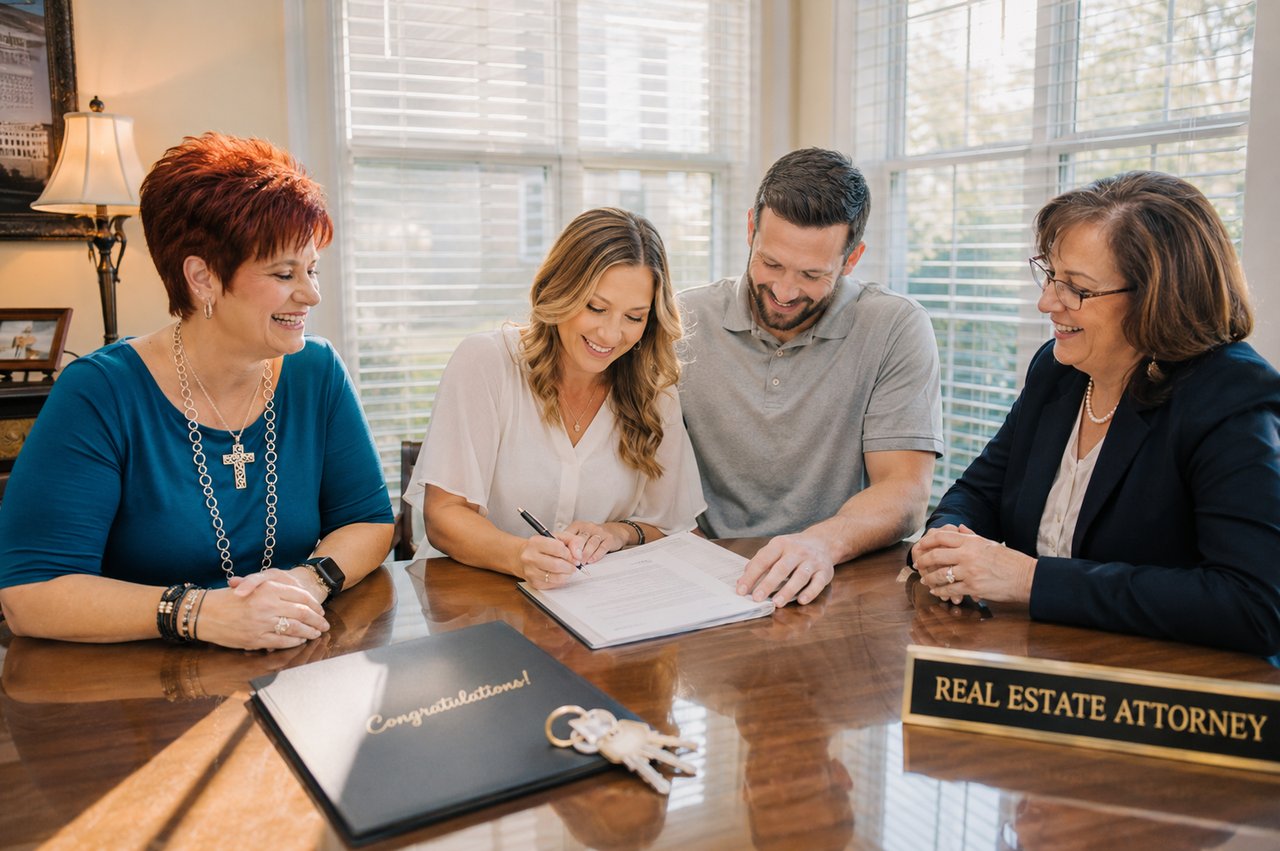
Step 7: Georgia Is an Attorney Closing State
Unlike some states, Georgia requires real estate closings to be handled by a closing attorney.
The attorney prepares the legal documents, verifies title work, coordinates with your lender, and ensures ownership transfers properly.
This is one of the reasons the closing process in Georgia may look different than it does elsewhere.
Step 8: The Final Walk-Through
Usually within a day or two of closing, you'll visit the home one last time.
The purpose is to confirm that:
- Agreed-upon repairs have been completed.
- The home is in substantially the same condition as when you made your offer.
- Included appliances and fixtures remain with the property.
- No unexpected issues have arisen.
This isn't another inspection—it's your final chance to verify everything is ready before closing.
Step 9: Closing Day!
This is everyone's favorite part.
You'll sign what feels like a mountain of paperwork.
The attorney will explain the documents.
Funds are transferred.
Ownership is recorded.
And finally...
You receive the keys.
Welcome home!
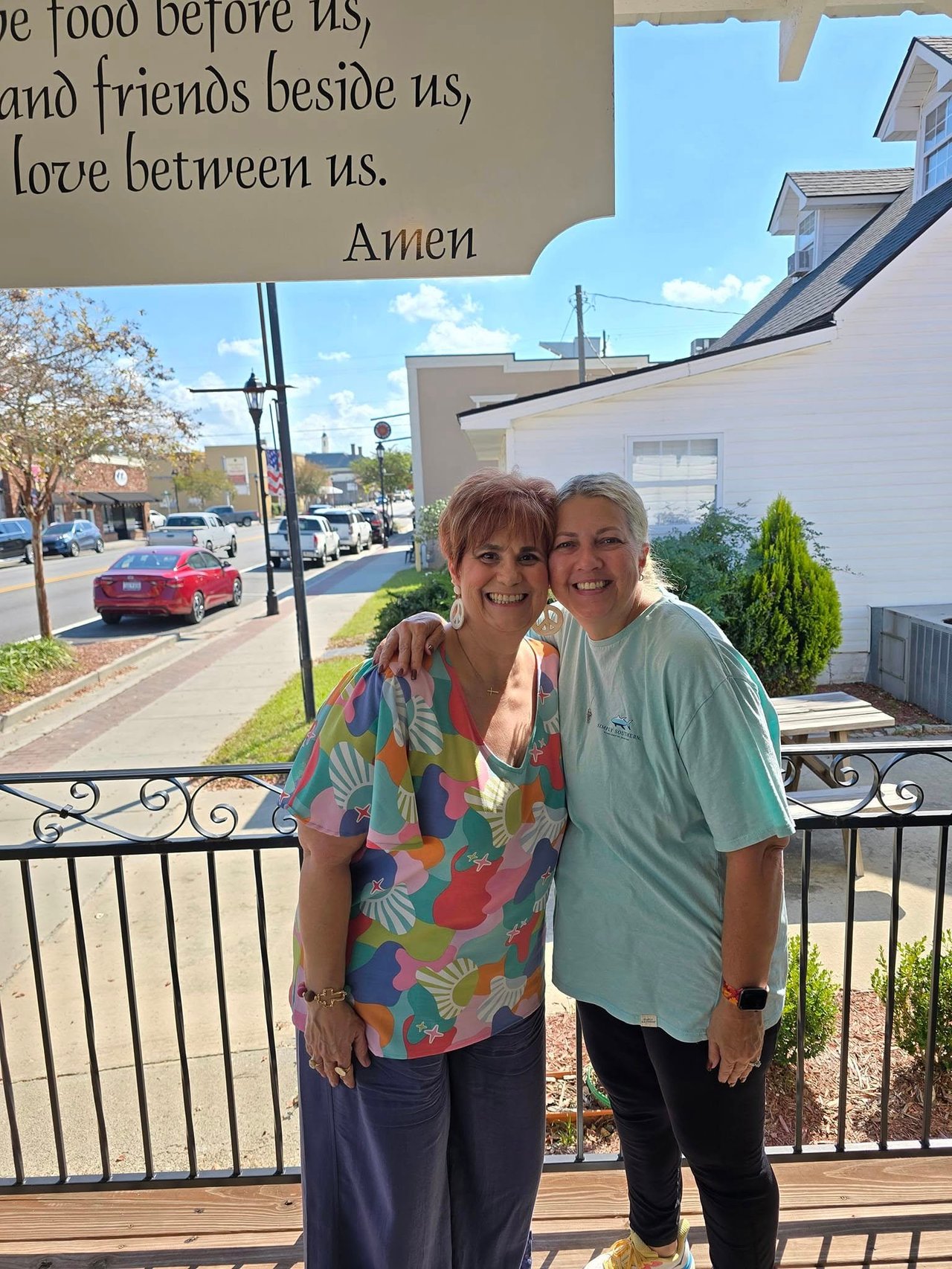
From Lisa's Front Porch
Closing day is one of my favorite days in real estate.
I love watching buyers walk into the attorney's office a little nervous, then leave a short time later carrying the keys to a place they'll soon call home.
But one of the biggest reasons those days go so smoothly is because of everything that happens before closing.
Good communication.
Careful planning.
Meeting deadlines.
Answering questions.
Helping buyers understand what's happening instead of wondering what's happening.
That's always been my goal.
I don't just want to help you buy a house.
I want you to enjoy the journey.
The Lisa Difference
One thing my clients tell me over and over is how much they appreciate knowing what's coming next.
I believe communication is just as important as negotiation.
From the day your offer is accepted until the day I hand you the keys, I'll be there to answer questions, coordinate with your lender and attorney, keep track of important deadlines, and help make the process feel as stress-free as possible.
You should never feel like you're navigating one of life's biggest purchases alone.
Ask the Rockin' Realtor
"Lisa, what if something goes wrong before closing?"
First, don't assume the worst.
Many issues that come up during a transaction—whether it's an appraisal question, an underwriting request, or a repair concern—can often be resolved with good communication and teamwork.
That's why having experienced professionals working together makes such a difference.
The key is staying calm, responding promptly, and focusing on solutions.
Frequently Asked Questions
How long does it usually take to close on a home?
Every transaction is different, but many financed purchases close in about 30 to 45 days. Cash purchases may close more quickly.
Can I move in before closing?
Typically, possession is transferred according to the terms of the purchase agreement. Many buyers receive the keys after the transaction has officially closed and been funded.
Should I change jobs before closing?
It's generally best to avoid major financial or employment changes during the loan process unless you've discussed them with your lender.
Can I buy furniture before closing?
It's usually wise to wait until after closing before making large purchases or opening new credit accounts, as these can affect your loan approval.
When do I get my keys?
In most cases, you'll receive your keys after the closing has been completed, funds have been disbursed, and ownership has officially transferred according to your contract.
Final Thoughts
Buying a home is more than signing a contract—it's a journey filled with important milestones, decisions, and excitement.
When you understand what happens between an accepted offer and closing day, the process becomes much less intimidating.
My goal is to guide you every step of the way so you always know what's happening, what's coming next, and who you can call when you have questions.
Whether you're buying your first home, upgrading to fit your growing family, or downsizing into your next chapter, I'd be honored to help you navigate the process with confidence.
If you're thinking about buying in Effingham County, Chatham County, Bryan County, Bulloch County, Screven County, or anywhere in Southeast Georgia, let's talk. Together, we'll make your path from contract to closing as smooth—and as exciting—as possible.
Related Reading
Keep learning with these helpful resources:
- How Much Does It Really Cost to Buy a Home in Georgia?
- New Construction vs. Existing Home: Which Is Right for You?
- Is Buying Land in Southeast Georgia a Good Investment?
- 7 Things Buyers Should Never Skip During a Home Tour