There's something special about standing on a piece of land and imagining what it could become.
Maybe it's a home tucked beneath the pines.
Maybe it's a place where your kids can run, your horses can roam, or your grandkids can fish in a pond on Saturday mornings.
For many people, buying land isn't just another real estate purchase.
It's buying a dream.
Over the past 25 years, I've helped buyers purchase homes, acreage, and rural properties throughout Effingham County, Screven County, Bulloch County, Bryan County, Chatham County, and the surrounding Southeast Georgia communities.
One thing I've learned is this:
Land can be an incredible investment—but only if you ask the right questions before you buy.
Let's walk through some of the most important things you should know.
Why So Many People Are Buying Land Right Now
One trend I've noticed over the last several years is that more buyers are looking for space.
Instead of tiny lots and neighbors just a few feet away, they're dreaming about:
- Privacy
- Room for workshops
- Space for animals
- Gardening
- Hunting
- Future home sites
- Family compounds
- Peace and quiet
In Southeast Georgia, we still have opportunities to own acreage that simply doesn't exist in many parts of the country.
🎸 Rockin' Realtor Tip
Never assume that because land is for sale, you can automatically build on it. Every property has its own rules, zoning, and limitations.
Start with Your Purpose
Before you ever begin looking at properties, ask yourself one simple question:
"What do I want this land to do for me?"
Are you planning to:
- Build immediately?
- Build five years from now?
- Hold it as an investment?
- Hunt?
- Raise horses?
- Start a small farm?
- Create a weekend getaway?
The answer changes everything—from financing to location to the type of property you should consider.
Does It Have Road Access?
This may sound obvious, but not every piece of land has legal access.
Some parcels are "landlocked," meaning they don't have direct access to a public road.
Others rely on easements across neighboring property.
Before buying, it's important to understand exactly how you'll access the property and whether those access rights are legally documented.
Is There Electricity, Water, and Internet?
One of the biggest surprises for land buyers is realizing utilities aren't always available.
Questions to ask include:
- Is electricity already available?
- Is public water available?
- Will a private well be needed?
- Is high-speed internet available?
- What will utility installation cost?
Those answers can significantly affect your budget.
Septic Systems and Perc Tests
Many rural properties don't have access to public sewer.
That means you'll likely need a septic system.
Before purchasing land, make sure you understand whether the property is suitable for one.
A perc test (short for percolation test) evaluates how well the soil absorbs water and helps determine if a septic system can be installed.
Without a suitable septic solution, building may not be possible without additional engineering or approvals.
Check the Flood Zone
Flood maps matter.
Just because a property looks dry today doesn't mean portions of it aren't located within a designated flood zone.
Flood zones can affect:
- Building locations
- Insurance costs
- Financing requirements
- Future resale value
Understanding this information early helps you avoid surprises later.
Understand the Zoning
Every county has zoning regulations that determine how land may be used.
Before purchasing, ask questions such as:
- Can I build a home?
- Can I have livestock?
- Can I build a workshop?
- Can I place a manufactured home?
- Are there minimum square footage requirements?
- Can the property be subdivided in the future?
Those answers vary from one property to another.
Easements Matter More Than Most Buyers Realize
An easement gives someone else certain legal rights to use part of your property.
Examples include:
- Utility companies
- Shared driveways
- Drainage
- Access roads
Most easements aren't deal breakers, but you should always understand what they allow before purchasing.
Financing Land Is Different
Buying land isn't always financed the same way as buying a home.
Depending on the property and your plans, lenders may have different requirements for:
- Down payments
- Loan terms
- Interest rates
- Building timelines
If you're planning to build in the future, it's helpful to speak with a lender who has experience with land loans.
Think About the Future
Land is often a long-term investment.
Ask yourself:
- Will this area continue growing?
- Are new roads planned?
- Are employers moving nearby?
- Could this property increase in value over time?
- Will it meet my family's needs five or ten years from now?
Buying land isn't just about today—it's about tomorrow.
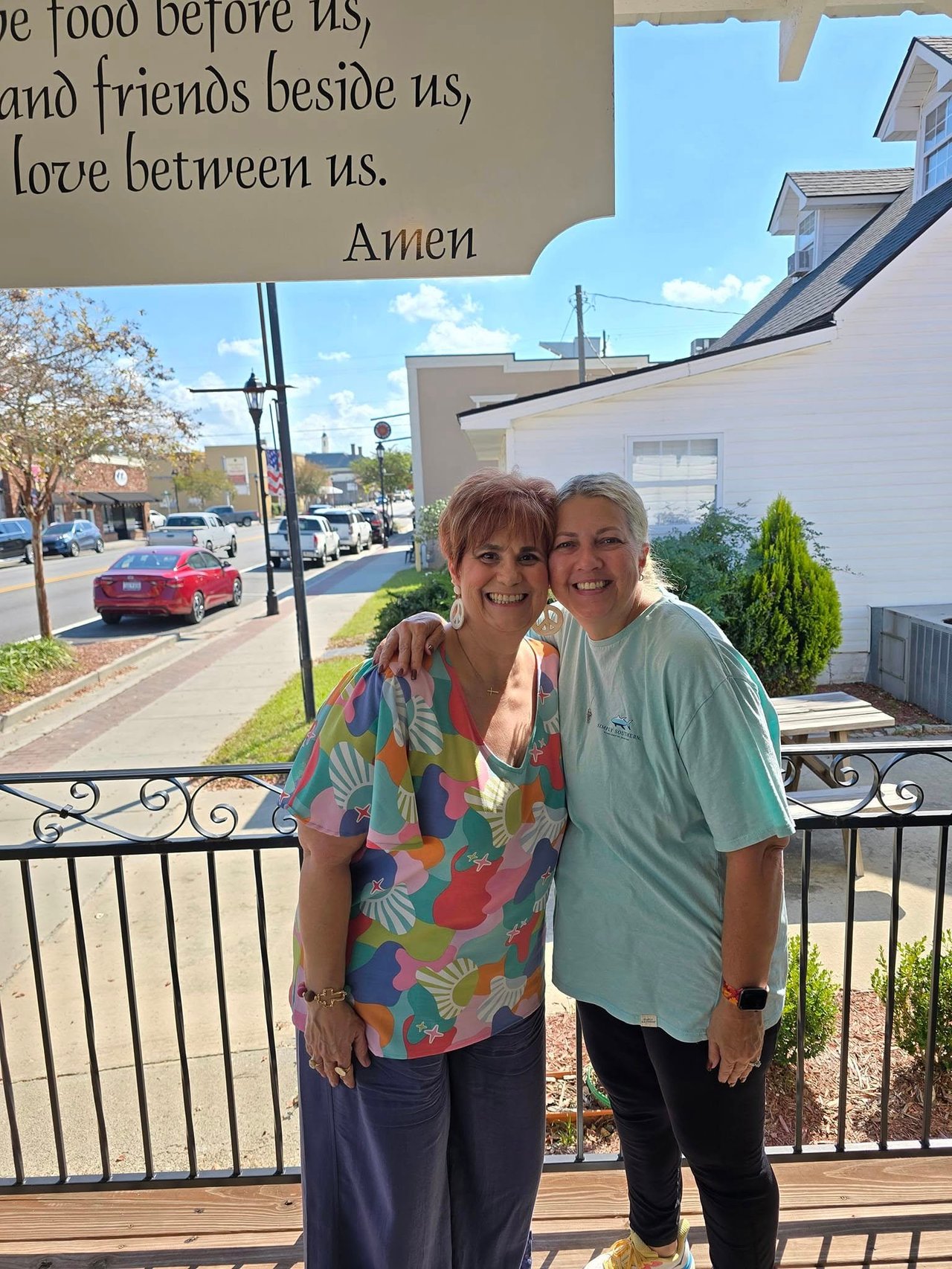
From Lisa's Front Porch
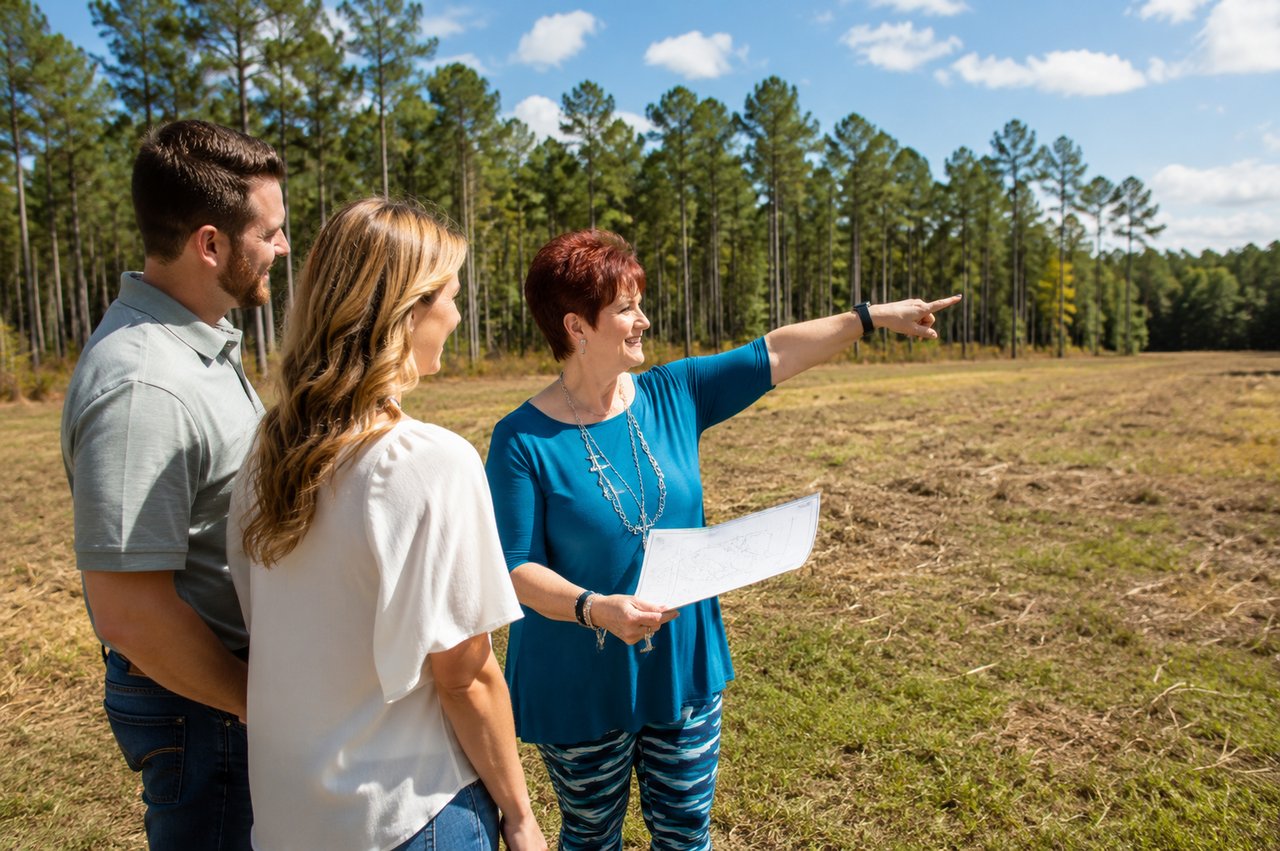
One of the things I enjoy most about helping clients buy land is watching their imagination come to life.
We'll stand in the middle of a property, and suddenly they aren't just looking at trees or open fields anymore.
They're pointing and saying, "The house could go over there."
"The workshop would fit perfectly right here."
"The kids could have a treehouse back there."
Those conversations remind me that land isn't just dirt.
It's possibility.
My job is to help make sure that possibility comes with the right information so your dream doesn't become an expensive surprise.
Ask the Rockin' Realtor
"Lisa, should I buy land now and build later?"
Sometimes that's a great strategy.
If you've found the perfect location and you're not quite ready to build, purchasing land now may allow you to secure the property before prices change. However, it's important to understand financing, taxes, maintenance, and any timelines or restrictions before making that decision. Every situation is unique, and I'd be happy to help you evaluate whether it makes sense for your goals.
Frequently Asked Questions
How much land do I need to build a home?
That depends on county requirements, zoning regulations, septic needs, and your personal goals. Some buyers are happy with one acre, while others want ten or more.
Can I finance land?
Yes, although land loans often have different requirements than traditional home loans. A lender can help you understand the options available based on your plans.
Can I place a manufactured or modular home on any property?
Not always. Local zoning regulations, deed restrictions, and neighborhood covenants may limit what types of homes are allowed.
Should I get a survey before buying land?
In many cases, yes. A survey helps confirm property boundaries, easements, and access, giving you a clearer understanding of exactly what you're purchasing.
Is buying land a good investment?
It can be. Like any investment, the value depends on location, intended use, market conditions, and your long-term goals. With careful planning and the right guidance, land can be a rewarding addition to your investment portfolio.
Final Thoughts
Buying land is exciting because it represents possibility. Whether you're dreaming of building your forever home, creating a family retreat, starting a small farm, or simply investing in the future, the right property can become something truly special.
But the best land purchase isn't always the cheapest or the prettiest—it's the one that fits your goals and has the information to support your plans.
If you're considering buying acreage in Effingham County, Bulloch County, Screven County, Bryan County, Chatham County, or anywhere in Southeast Georgia, I'd love to help you navigate the process. Together, we'll ask the right questions, explore your options, and make sure your investment is built on a solid foundation.
Because buying land isn't just about owning property—it's about creating opportunities for generations to come.
Related Reading
If you're planning to buy property in Southeast Georgia, you may also find these articles helpful:
- How Much Does It Really Cost to Buy a Home in Georgia? (Most Buyers Forget These Expenses)
- 7 Things Buyers Should Never Skip During a Home Tour
- Should You Buy a Home Before Interest Rates Change?
- Should You Build or Buy a Home in Guyton, GA?