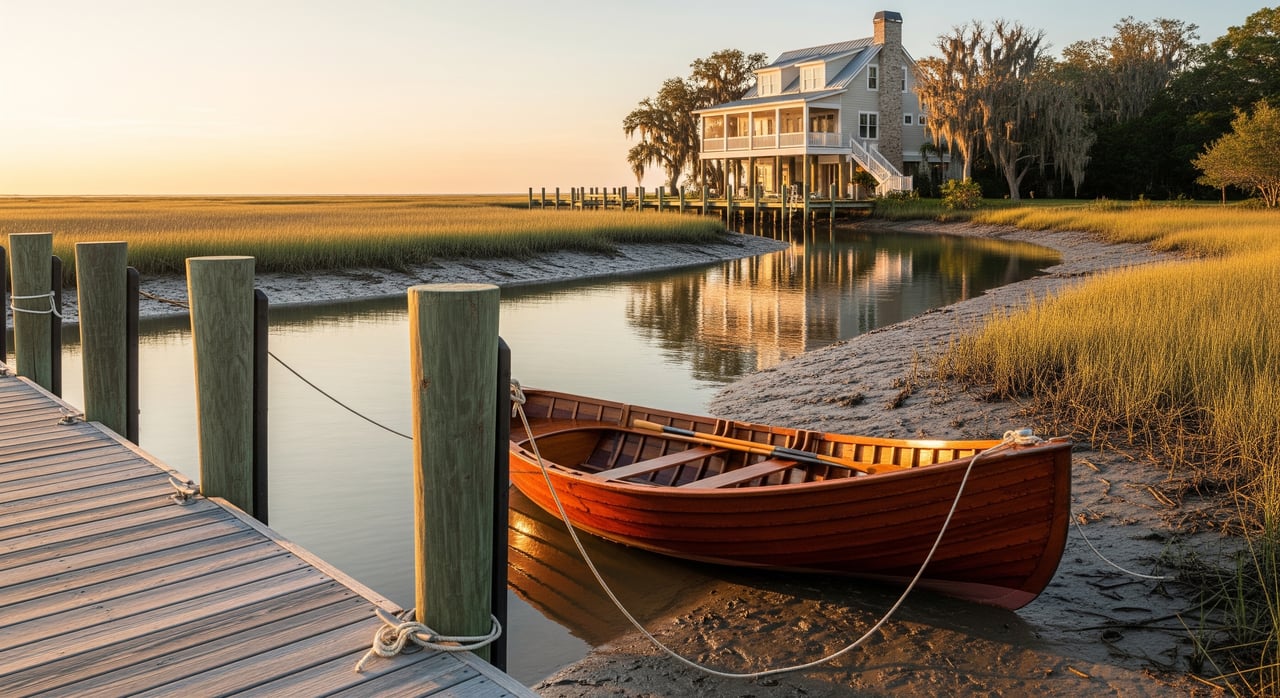
Picture this: sunrise over the marsh, a quick paddle before breakfast, and dinner on a dock as the tide rolls in. If you’ve been daydreaming about island life near Savannah, you’re not alone. The islands offer a coastal lifestyle with real-world routines and tradeoffs that matter when you buy a home. In this guide, you’ll learn how each island feels day to day, what housing looks like, and the practical details that shape life on the water. Let’s dive in.
The islands at a glance
Each island has a distinct personality. Here’s how they compare so you can match what you value to the right place.
Tybee Island: classic beach town
Tybee is Savannah’s Atlantic barrier-island getaway. You’ll see a lively mix of locals, vacation homeowners, and short-term visitors, especially in peak season. Expect walkable access to restaurants, shops, and public beaches. Housing includes beach cottages, raised homes, and condos, with a notable short-term rental market.
Best for you if: you want direct beach access, a social seaside scene, and year-round coastal recreation.
Wilmington Island: suburban convenience on the water
Wilmington feels residential and community-oriented, with grocery stores, parks, and everyday services close by. Many people choose it for an island vibe with an easy routine and straightforward commute options. You’ll find predominantly single-family homes, plus some waterfront properties with private docks.
Best for you if: you want practical daily convenience with island scenery and shorter drives to Savannah.
Whitemarsh Island: marsh views and quick access
Whitemarsh blends neighborhoods with office and retail nodes and has a strong marshland feel. It offers close-in access to city amenities while keeping that coastal setting. Housing ranges from marsh-view and waterfront homes to townhomes and small subdivisions.
Best for you if: you love marshfront scenery and want quick access to restaurants, shopping, and city services.
Talahi Island: quiet and residential
Talahi sits between Wilmington and Dutch Island and stays low-key with minimal commercial development. It’s strictly residential and offers a calmer pace near neighboring conveniences. Most homes are single-family, with a peaceful, tucked-away atmosphere.
Best for you if: you prefer a quieter island experience while staying near Wilmington and Whitemarsh amenities.
Dutch Island: boat-first living
Dutch Island centers on private waterfront living, canals, and docks. Many homes are designed around boating and water access. Prices and lot values typically reflect deepwater and dock features.
Best for you if: you prioritize private docks, boating, and a higher-end waterfront lifestyle.
Daily life and getting around
Commuting and travel
All the islands connect to Savannah by bridges and causeways. In general, Wilmington, Whitemarsh, Talahi, and Dutch Island offer shorter drives into town. Tybee sits at the coast, so you’ll plan for a longer drive and build in extra time during tourist season and holiday weekends. For air travel, residents use the regional commercial airport serving Savannah and Hilton Head.
Errands and essentials
Wilmington and Whitemarsh provide the widest range of grocery, retail, and services on or near the islands. Tybee has local shops and restaurants, but you’ll likely head to the mainland for a broader selection. Routine and urgent medical care are available nearby, with hospital and specialty care in Savannah.
Schools and childcare
Public schools are part of the Savannah-Chatham County system. Private school options are located in the greater Savannah area. Since assignments and capacities change over time, verify current zones and program offerings directly with the school district when you’re narrowing down neighborhoods.
Utilities and internet
Most properties connect to municipal or county water and sewer, though some smaller parcels may still have private septic. Broadband availability varies by provider and exact address, so check providers and speeds as part of your due diligence. Newer subdivisions and waterfront communities often include homeowners’ associations with covenants and fees.
Homes and real estate basics
What you’ll see on the market
- Tybee: beach cottages, elevated homes designed for floodplain requirements, condos, and vacation rentals.
- Wilmington, Whitemarsh, Talahi: suburban single-family homes, newer subdivisions mixed with renovated older homes, and select waterfront properties with docks.
- Dutch Island: custom homes on canal-front and deepwater lots with private docks.
What drives price and demand
Demand is shaped by the coastal lifestyle, boating access, and proximity to Savannah. Waterfront and marsh views are top value drivers. Elevation, lot size, age and condition, and whether a property is on sewer or septic also affect pricing. On Tybee, short-term rental potential draws interest, but you should verify current rules before building an investment plan.
Short-term rental rules
Tybee has a notable short-term rental market. Regulations and permitting differ from the county islands and can change. If renting is part of your strategy, review local ordinances and permitting timelines before you commit.
Flood zones, insurance, and construction
Flood risk is part of coastal life. Many properties fall within FEMA flood zones and may require flood insurance. Newer construction is often elevated to meet floodplain and building code standards. Plan for wind and hurricane coverage and budget for higher maintenance related to salt air and humidity. When you get serious about a property, request the elevation certificate, consult current flood maps, and secure insurance quotes early.
Docks, riparian rights, and seawalls
Private docks and bulkheads are high-value features for boating. They come with permitting requirements and ongoing maintenance. Always confirm deeded riparian rights, easements, and any state or federal permits needed for dock work or shoreline improvements.
HOAs, covenants, and permits
Many waterfront neighborhoods have covenants that govern docks, exterior changes, landscaping, and rental use. Renovations, new docks, and seawalls require local permits, and in some cases state or Army Corps approvals. Timelines vary by project type, so factor permitting into your planning.
Outdoor life and the coastal environment
On the water
Boating, fishing, crabbing, shrimping, kayaking, and paddleboarding are everyday joys for island residents. Tybee provides the region’s primary public-sand beach, complete with lifeguards and seasonal events. On Wilmington, Whitemarsh, Talahi, and Dutch Island, the lifestyle focuses more on docks, tidal creeks, and marsh exploration.
Wildlife and natural areas
You live inside a salt-marsh ecosystem, home to wading birds, shorebirds, and dolphins in the channels. On the barrier island beaches, sea turtles nest seasonally. Marshlands shape both the scenery and land use, guiding where homes, boardwalks, and trails make sense.
Weather and seasons
Coastal Georgia has hot, humid summers and mild winters. Hurricane and tropical storm season typically runs June through November, so storm preparedness is part of being a good island neighbor. Tidal and nuisance flooding can occur in low-lying areas during certain weather and tide conditions.
Which island fits your style
Use these quick prompts to align your priorities with the right island.
- Want a walkable beach town with year-round activity? Consider Tybee.
- Need everyday conveniences plus a straightforward drive to Savannah? Look at Wilmington.
- Love marsh views and quick city access? Explore Whitemarsh.
- Prefer a quieter, strictly residential setting near nearby services? Try Talahi.
- Boating and private docks at the top of your list? Focus on Dutch Island.
Buyer checklist for island due diligence
Before you write an offer, gather these items to reduce surprises and streamline closing.
- FEMA flood zone designation and the property’s elevation certificate, if available.
- A recent survey or plat that shows lot lines, docks, and any easements.
- Title search notes on riparian rights and shoreline or dock easements.
- HOA covenants, rules, and fee schedules, if applicable.
- Current quotes for homeowner, wind/hurricane, and flood insurance.
- Utility details, including sewer vs septic and any planned infrastructure projects.
- School assignment information and sample commute times for your daily routes.
- Local short-term rental rules if you plan to rent the property.
Smart next steps
- Tour each island at different times of day and in different seasons. Pay attention to traffic patterns, tide cycles, and neighborhood activity.
- Walk or drive your most common routes, such as grocery runs and a commute into Savannah.
- Price out insurance, dock upkeep, and potential flood-mitigation costs early.
- If a dock matters, review permitting history and maintenance records before you finalize your offer.
With 25+ years helping buyers and sellers across Savannah and the coastal corridor, Lisa brings local insight and a steady plan to each island search. If you’re ready to compare neighborhoods, narrow your list, and move with confidence, reach out to Lisa Ortiz, The Rockin’ Realtor.
FAQs
What daily life is like on Tybee Island
- Tybee offers a lively beach-town rhythm with walkable dining and public beaches, plus a longer drive to Savannah and busier traffic during peak tourist seasons.
How Wilmington Island compares for commuting
- Wilmington is primarily residential with everyday services close by and generally shorter drives to Savannah compared to coastal Tybee.
What to know about flood insurance on Savannah’s islands
- Many properties are in FEMA flood zones and may require flood insurance, so request elevation certificates and quotes early in your buying process.
Short-term rentals on Tybee vs county islands
- Tybee has a notable short-term rental market with its own permitting rules, while county islands follow different regulations that you should verify before investing.
Differences between marsh access and beach access
- Tybee is the primary public-sand beach, while Wilmington, Whitemarsh, Talahi, and Dutch Island focus more on docks, tidal creeks, and marsh-based boating and paddling.
Dock ownership and permits on Dutch Island and beyond
- Private docks add value but require permits and ongoing maintenance; always verify riparian rights, easements, and prior approvals before making changes.
Utilities and internet options across the islands
- Most homes connect to municipal or county systems, though some use private septic, and broadband availability varies by provider and exact address.