One of the biggest misconceptions I hear from people who want to buy their first home is:
“Lisa, I don't have 20% to put down, so I'm not ready to buy.”
Hold up.
Who told you that? 😂
You absolutely do not always need a 20% down payment to purchase a home.
Depending on your finances, the property you're purchasing and the loan program you qualify for, there may be options requiring considerably less upfront.
For example, FHA-insured financing can allow a down payment as low as 3.5% for qualifying borrowers. USDA's Single Family Housing Guaranteed Loan Program can provide 100% financing with no down payment for qualifying borrowers purchasing eligible properties in eligible areas.
Does that mean either program is automatically right for you?
Nope.
And this is where buying your first home can get confusing.
FHA. USDA. Conventional. Down payment. Closing costs. Seller concessions. Preapproval. Mortgage insurance.
It's alphabet soup when you've never done this before.
So let's make it a little less intimidating.
First: You Don't Need to Know Which Loan You Need
That's what professionals are for.
When you call me and say:
“Lisa, I think I want to buy my first house, but I don't know where to start.”
I'm not expecting you to already understand mortgage financing.
And I'm definitely not going to pretend to be your lender.
My job as your Realtor is to help you understand the real-estate side of your financing: how your buying power affects the homes we consider, how different financing can affect an offer, what property issues may matter, and how all the pieces work together once we find the right house.
Your lender's job is to evaluate your finances and explain the loan programs, qualification requirements, costs and terms available to you.
That's why I want the Realtor and lender involved early.
Not after you've already fallen in love with a house.
QUESTION: How much does a first-time home buyer need to put down in Savannah, GA?
There is no single required down payment for every buyer. FHA financing can allow qualifying borrowers to put as little as 3.5% down, while eligible USDA borrowers purchasing qualifying properties may obtain 100% financing. Conventional financing has additional options. Your actual down payment and closing costs depend on your qualifications, loan program and property.
Do First-Time Buyers Need 20% Down?
No.
Twenty percent can make sense for some buyers, but it isn't a universal requirement for purchasing a home.
That's an important distinction.
HUD currently states that FHA financing can allow qualifying borrowers to purchase with as little as 3.5% down. FHA loans are made by FHA-approved lenders and insured by the Federal Housing Administration.
USDA financing works differently. The USDA Single Family Housing Guaranteed Loan Program can provide 100% financing for eligible borrowers purchasing an eligible primary residence in a qualifying rural area. Income limits and other program requirements apply.
And conventional financing has its own options.
The point isn't that one program is “best.”
The point is:
Don't decide you can't buy a house because somebody told you that you need 20% down.
Talk to a good lender and find out what's actually possible for you.
What Is an FHA Loan?
An FHA loan isn't money loaned directly to you by the Federal Housing Administration.
An FHA-approved lender makes the mortgage, and FHA insures it. That insurance reduces some of the lender's risk.
Why do first-time buyers hear so much about FHA?
One reason is the lower minimum down-payment option. HUD says the down payment can be as low as 3.5% for qualifying borrowers.
FHA financing also involves mortgage insurance. HUD states that its basic FHA mortgage program includes an upfront mortgage insurance premium as well as an annual premium.
That's one of those places where I say:
Talk to the lender.
Don't just ask, “How much do I have to put down?”
Ask:
“What does this loan cost me altogether?”
That's a much better question.
What About USDA Loans?
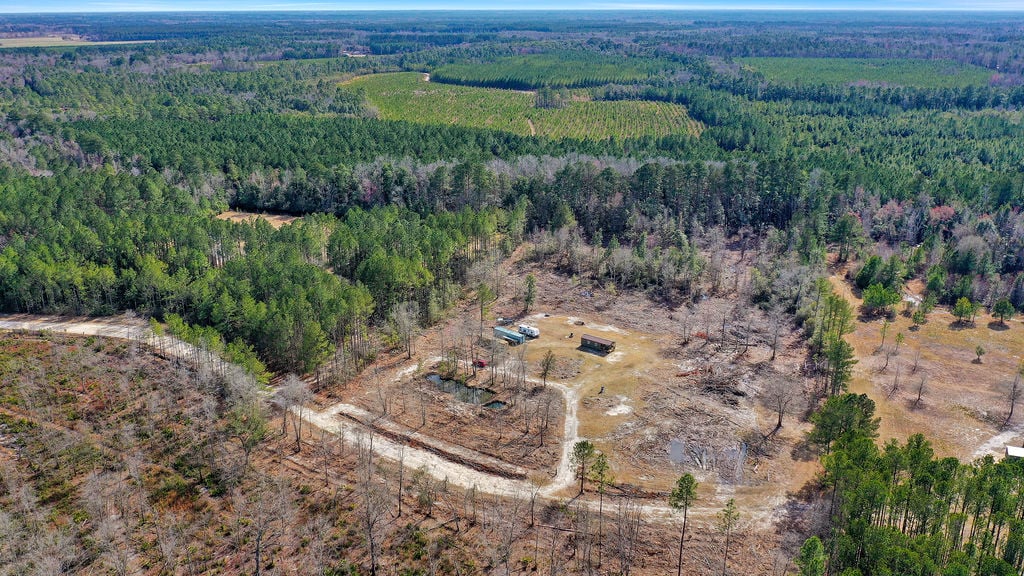
Now this is especially interesting when we're talking about Southeast Georgia, particularly for buyers who are considering moving to Effingham County or looking beyond Savannah for their first home.
Despite the name, USDA financing isn't just for somebody buying a farm with cows wandering around the front yard. 😂
USDA's Guaranteed Loan Program is designed to help eligible low- and moderate-income households purchase homes in eligible rural areas.
For qualified borrowers and properties, the program offers 100% financing, which means no down payment is required.
But there are two very important pieces:
The buyer has to qualify.
AND
The property has to qualify.
USDA says eligibility includes household-income requirements, use of the home as a primary residence and location within an eligible rural area. The agency provides an eligibility map where a specific property address can be checked
So please don't see a house online and assume:
“It's out in the country. USDA will finance it.”
Maybe.
Let's verify.
USDA Isn't Only for First-Time Home Buyers
This one surprises people.
USDA's Guaranteed Loan Program is not restricted to first-time buyers
That's important because sometimes people eliminate an option before ever speaking with a lender simply because they assume a program isn't meant for them.
Again, this is why I don't want you choosing your own mortgage based on three TikToks and something Cousin Earl told you at Thanksgiving. 😂
Get actual information about your situation.
Down Payment and Closing Costs Are NOT the Same Thing
This is another biggie.
When we're figuring out how much money you need to purchase a home, the down payment isn't the only expense we need to discuss.
There can also be closing-related costs and prepaid expenses associated with the transaction.
Exactly what you'll need depends on your loan, lender, property, contract and individual situation.
And this is where strategy can come into play.
Depending on the market, property and offer, we may be able to negotiate for the seller to contribute toward certain allowable buyer closing costs.
Does that mean every seller will?
No.
Should we automatically ask every seller for the maximum possible amount?
Also no.
An offer is a whole package.
Price, financing, concessions, due diligence, closing date and other terms all work together.
My job is to help you structure an offer that makes sense for your needs while understanding that the seller has a decision to make too.
“No Down Payment” Doesn't Mean “No Money Needed”
This deserves its own section because it's easy to misunderstand.
A zero-down loan does not necessarily mean you can buy a house with zero dollars available.
There may still be expenses associated with purchasing and moving into a home.
Depending on the transaction, those can include things such as inspections, appraisal-related costs, earnest money, due-diligence money, closing expenses, insurance and other costs.
Some money you pay during the transaction may ultimately be credited or accounted for at closing depending on your contract and financing.
But I don't want a first-time buyer getting under contract and THEN discovering there are expenses they didn't plan for.
That's why the money conversation happens early.
Get Preapproved BEFORE We Start House Hunting
I know.
Looking at houses is more fun. 😂
But I require my buyers to have a lender preapproval or proof of funds before we begin private showings.
And there's a good reason.
Your preapproval helps answer one of the most important questions in the entire process:
What can you comfortably and responsibly buy?
Notice I didn't say:
“What's the absolute maximum somebody will lend you?”
Those aren't necessarily the same thing.
I want you thinking about your whole life.
Mortgage payment.
Taxes.
Insurance.
Utilities.
Maintenance.
Car payments.
Kids.
Travel.
Eating out.
Whatever matters to you.
I don't want you buying a beautiful house and then being afraid to order a pizza because every dime you make goes toward the mortgage.
The goal isn't simply to buy a house.
The goal is to own a home that works with the life you're trying to build.
Your Financing Can Affect Which Houses We Consider
This is where my side of the transaction becomes especially important.
Not every property is going to work equally well with every financing program.
Condition can matter.
Property type can matter.
Location can matter.
Appraisal requirements can matter.
That's another reason I need to know how you're financing the purchase before we're running all over Savannah, Rincon, Guyton, Springfield or Pooler looking at houses.
If I know what we're working with, I can help you ask better questions before we waste time or worse, fall in love with something that presents a financing problem.
Please Don't Spend Your Entire Savings on the Down Payment
Having money left after closing matters.
Homes are wonderful.
They're also very talented at waiting until approximately eleven minutes after you become responsible for them to need something. 😂
Maybe the water heater quits.
Maybe you need a lawn mower.
Maybe you discover that owning three bedrooms means you suddenly need approximately 47 pieces of furniture.
Life keeps happening after closing.
When you're talking with your lender about different down-payment options, think beyond:
“How much CAN I put down?”
Also ask:
“How much should I keep in reserve?”
That's a financial conversation worth having.
What Should You Do First?
Not Zillow.
I love looking at houses too, but Zillow isn't Step One. 😂
Start with a conversation.
We talk about:
Where do you want to live?
Why do you want to buy?
How long do you expect to stay?
What does your household need?
What monthly payment feels comfortable?
How much money do you currently have available for the purchase?
Then we connect the financing conversation with the real-estate conversation.
Once you're properly preapproved and we've completed your buyer consultation and Buyer Brokerage Agreement, THEN let's go find your house.
And now we're shopping with a plan instead of guessing.
Buying Your First Home in Savannah or Southeast Georgia?
Whether you're considering Savannah, Pooler, Effingham County or somewhere a little farther out, you don't have to know exactly where you want to live before we start talking.
You don't need to understand every mortgage program before you call me.
You don't need to know exactly where you want to live.
And you definitely don't need to have 20% sitting in your checking account before you're allowed to ask questions.
You just need to start.
I've been helping people buy and sell homes throughout Southeast Georgia since December 2000, and I still believe homeownership can be one of the most powerful ways families begin building long-term and generational wealth.
But I don't want you buying a house simply because somebody says you can.
I want you to understand what you're buying, what it costs, and whether it makes sense for your life.
If you're thinking:
“Maybe I'm ready...but I honestly don't know.”
Call me.
That's a perfectly good place to begin.
LET'S TALK ABOUT YOUR FIRST HOME
Lisa Ortiz, The Rockin' Realtor
Robin Lance Realty — A Tradition of Trust
📱 912-695-6932
☎️ 912-756-2448
📧 [email protected]
GeorgiaHomesbyLisa.com
Serving first-time buyers throughout Savannah, Effingham County, Bryan County and communities across Southeast Georgia.