Wondering whether you should build or buy a home in Guyton, GA? It is a smart question, especially in a market that gives you real choices instead of forcing a rushed decision. If you are weighing timeline, budget, land, and long-term plans, this guide will help you sort through the tradeoffs so you can choose the path that fits your life best. Let’s dive in.
Guyton Market Conditions Matter
Before you choose between building and buying, it helps to understand the local market. Guyton is a small city in Effingham County and part of the Savannah metro area, located about 28 miles northwest of downtown Savannah.
Current housing data suggest Guyton is not an ultra-competitive market right now. Depending on the source, median pricing and days on market vary, but the bigger takeaway is consistent: buyers appear to have inventory to consider, and homes are moving at a moderate pace rather than flying off the shelf overnight.
That matters because your decision is not just about the house itself. It is also about how much flexibility you have, how fast you need to move, and whether you want the predictability of an existing home or the customization that can come with new construction.
Why You Might Build in Guyton
Building can be appealing if you want a home that fits your needs from day one. Instead of adapting to someone else’s layout or design choices, you can focus on the floor plan, finishes, and features that matter most to you.
For some buyers, newer systems are a major advantage. A newly built home may reduce the chance of early repair costs on big-ticket items compared with an older property that may need updates sooner.
There can also be financing advantages tied to new construction. Realtor.com’s 2026 research notes that builders often use incentives such as price reductions, mortgage-rate buydowns, and other promotions, and it reports that the average new-construction buyer pays about a full percentage point less on a 30-year mortgage than an existing-home buyer.
Building Gives You More Control
If you have a long-term vision, building may be the better match. This is especially true if you want a specific layout, a larger homesite, or a setup that is hard to find in resale inventory.
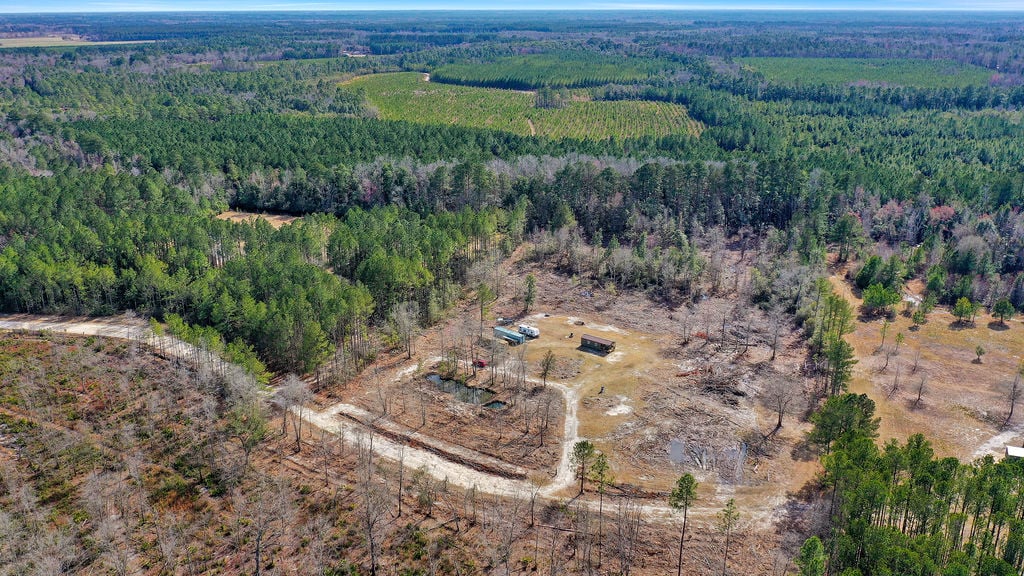
That can be important in an area like Guyton, where some buyers are also considering lots, acreage, or room for a more customized property. If your must-have list is very specific, building may help you get closer to it.
Lot Size Can Change the Conversation
When people picture building, they often imagine more land. Sometimes that is true, but not always.
For context, Census Bureau data show the median lot size of a completed new single-family home in 2024 was 8,545 square feet. That benchmark can help you compare a standard subdivision lot with a larger homesite or acreage parcel if space is one of the reasons you are leaning toward building.
What Building in Guyton Really Involves
Building is not just about choosing a plan and starting construction. In Guyton and Effingham County, it is a process that includes permits, plan review, inspections, and final approval before occupancy.
Guyton’s building department handles permits, inspections, plan reviews, and certificates of occupancy. Effingham County also requires permits for construction and states that no one may occupy a dwelling before a certificate of occupancy is issued.
That means your timeline needs to account for more than the actual build. You also need to think through land selection, site preparation, utility questions, approvals, and inspections.
Permits and Approvals Add Time
Effingham County requires Georgia design-professional stamps on residential plans. The county also requires floodplain approval for site plans and health-department approval when a home will use septic.
The county says work must begin within 180 days after a permit is issued. These are important details because a delay in approvals or site readiness can affect your move-in schedule.
Construction Timelines Are Only Part of the Story
Census data show that in the South, 52% of one-unit homes completed in 2024 were finished 4 to 6 months after the start of construction, and another 17% were finished in 7 to 9 months. That is useful, but it only reflects the construction phase after work begins.
In real life, your full timeline may be longer once you add permitting, plan review, land prep, and utility or septic coordination. If you have a firm deadline, that extra time can be the deciding factor.
Buildable Land Is Not the Same as Raw Land
This is one of the biggest points buyers miss. A parcel may look promising, but that does not automatically mean it is ready for the home you want to build.
In Guyton and Effingham County, lot availability is closely tied to zoning, utilities, floodplain review, and approvals. The City of Guyton’s planning and zoning commission reviews zoning changes, site plans, and plat applications, and county planning helps guide future growth and land use in unincorporated areas.
If you are land-curious, you will want to confirm whether water and sewer are available, whether septic will be needed, and whether the parcel works for your intended home. Those checks should happen early, not after you fall in love with the land.
Why Buying an Existing Home May Be Smarter
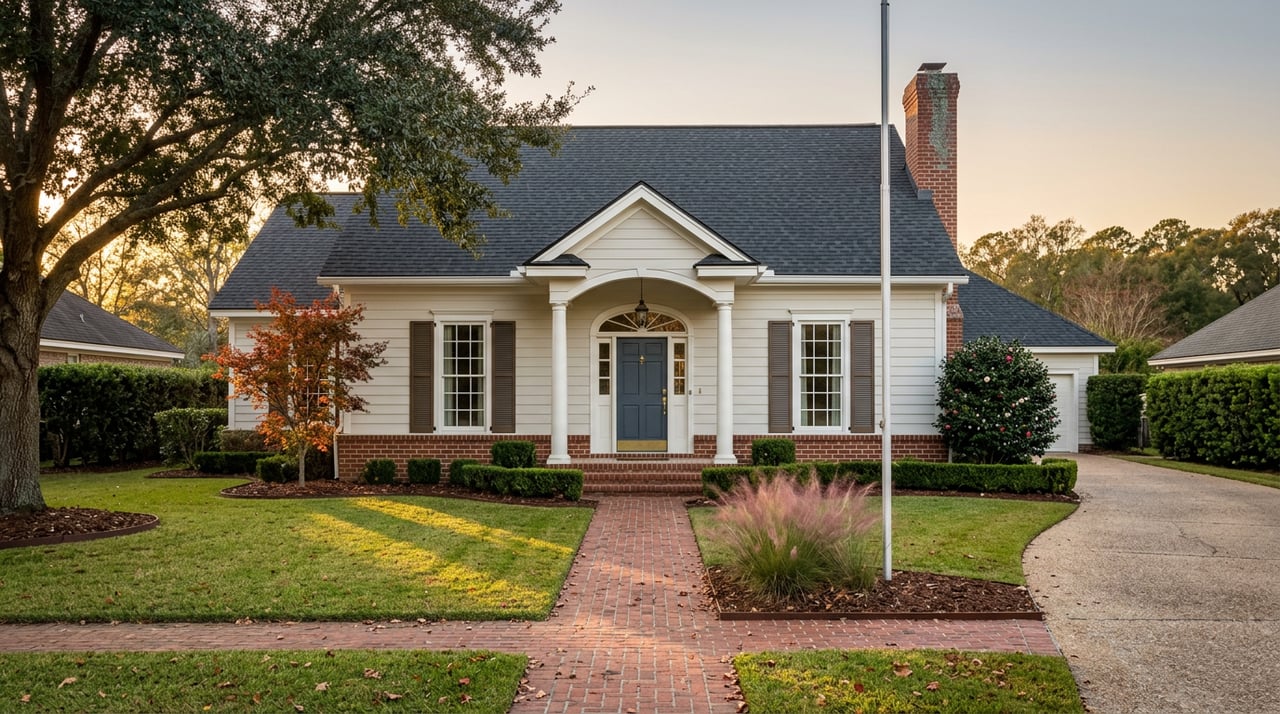
For many buyers, existing homes win on speed and certainty. You can walk the property, see the lot, evaluate the trees, driveway, and layout, and make decisions based on what is there today.
You also avoid the full permit-to-certificate-of-occupancy process that comes with building. If your move date is fixed, that can make resale homes much easier to plan around.
This matters even more in a market like Guyton, where homes are not moving at a breakneck pace. Current data suggest buyers may have time to compare options instead of rushing into the first available property.
Existing Homes Help You See the Full Picture
When you buy resale, you can judge the property as it exists. You are not relying on renderings, allowances, or assumptions about how the site will turn out.
That can make decision-making feel more grounded. You know the lot shape, the surrounding setting, and the overall character of the property before you commit.
Buying Existing Can Reduce Timeline Risk
A resale home usually offers a more predictable path to closing than a new build. There are still inspections and financing steps, but you are generally not waiting on months of construction and local approvals.
If you are relocating, downsizing, or trying to coordinate a sale and purchase, that predictability can be a big relief.
The Tradeoffs of Buying Existing
The biggest downside to an existing home is condition risk. Depending on the age and upkeep of the property, you may face repairs, cosmetic updates, or utility improvements that are not obvious from the listing price alone.
That does not mean resale is the wrong choice. It just means you should compare the true cost of ownership, not just the sticker price.
Personalization is another tradeoff. An existing home may not check every box the way a build can, especially if you want a very specific layout or newer finishes.
How to Decide What Fits You Best
The right answer depends less on trends and more on your timeline, priorities, and risk tolerance. In Guyton, both paths can work well, but they serve different types of buyers.
Build If Customization Matters Most
Building may be the better fit if you:
- Want a specific floor plan
- Prefer newer systems and materials
- Plan to stay long term
- Need a certain type of homesite or acreage
- Are comfortable with a longer, more detailed process
This option can make a lot of sense for move-up buyers or land buyers who are willing to do the extra due diligence upfront.
Buy Existing If Timing Matters Most
Buying an existing home may be the better fit if you:
- Have a firm move-in deadline
- Want a more predictable process
- Prefer to see the exact home and lot before you buy
- Want to avoid permitting and construction delays
- Are looking for a simpler path overall
This path often works well for first-time buyers, relocation buyers, and anyone who values certainty.
Don’t Forget the Monthly Cost
Mortgage conditions can affect the comparison more than many buyers expect. Freddie Mac reported a 30-year fixed mortgage rate of 6.49% on June 25, 2026.
At that rate level, extra land cost, upgrade packages, and a longer timeline can have a noticeable impact on your monthly payment and total cost. Even if a new build offers incentives, you still want to compare the full financial picture carefully.
A Practical Guyton Bottom Line
In Guyton, buying an existing home is often the lower-risk choice if you want speed, a known lot, and a more predictable move. Building can be the better fit if customization or acreage is high on your list and you are prepared for the added steps tied to permits, approvals, and utilities.
Because Guyton appears to be a market with real inventory and moderate turnover, you may have room to evaluate both options thoughtfully. That is good news, because the best choice is usually the one that fits your timeline and long-term goals, not a one-size-fits-all rule.
If you are comparing resale homes, new construction, or land in Effingham County, working with someone who understands the local process can save you time and stress. Lisa Ortiz, The Rockin' Realtor can help you weigh your options and find the right fit for your next move.
FAQs
Should you build or buy a home in Guyton, GA if you need to move quickly?
- Buying an existing home is usually the better option if you need to move on a firm timeline because it avoids the longer permit, construction, and occupancy process.
What should you check before buying land to build in Guyton, GA?
- You should confirm zoning, water and sewer availability, septic requirements, floodplain review, and whether the parcel can support the home you want to build.
How long does it take to build a home in the Guyton, GA area?
- The construction phase alone is often several months, and the full timeline can be longer once you add plan review, permitting, site work, inspections, and final occupancy approval.
Is Guyton, GA a competitive housing market for buyers?
- Current data suggest Guyton is not an especially frenzied market, with real inventory and moderate turnover that may give buyers more time to compare options.
Are new construction homes in Guyton, GA always more expensive than existing homes?
- Not always, but you should compare the full cost carefully because land, upgrades, carrying time, and financing can all affect the total monthly and long-term expense.